.png)
Electric Updates
Read the latest news on the energy transition, hear from our communities and see our take on government policies.
For more updates from Rewiring Australia, you can sign up to our mailing list.
To find out what Saul is up to, head over to his blog.
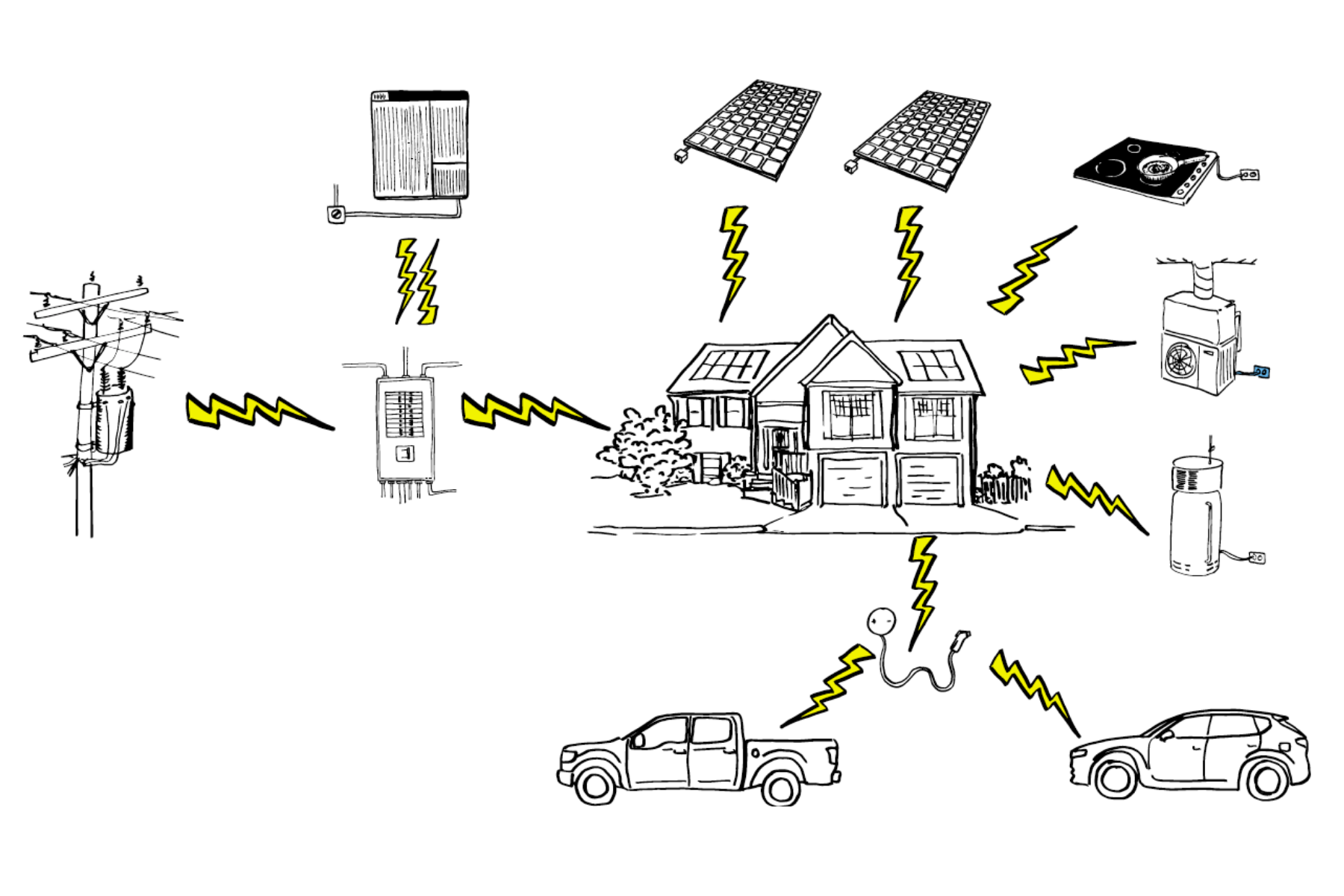

Gas lobby protecting a failed business model at consumers’ expense
“Electric technologies are scientifically proven to be cheaper and more efficient. A heat pump water heater or reverse cycle A/C uses around a quarter of the energy to heat the same water or air. Gas goons will never tell you this and say it’s about consumer choice. It’s imperative that nobody is fooled by their lies.”

Webinar: How to win a Healthy Homes Plan for NSW
Join this webinar organised by the Nature Conservation Council to hear from experts on how improving energy efficiency helps fight climate change and why a Healthy Homes Plan will support rental homes (which are 1/3 of homes in NSW) to be more affordable and liveable.
SA gas customers left footing bill for new connections as other states move on
South Australian gas customers risk being left with millions of dollars in new connection costs after the Malinauskas Government quietly delayed a national rule taking effect today that would have made new gas connections pay their own way.
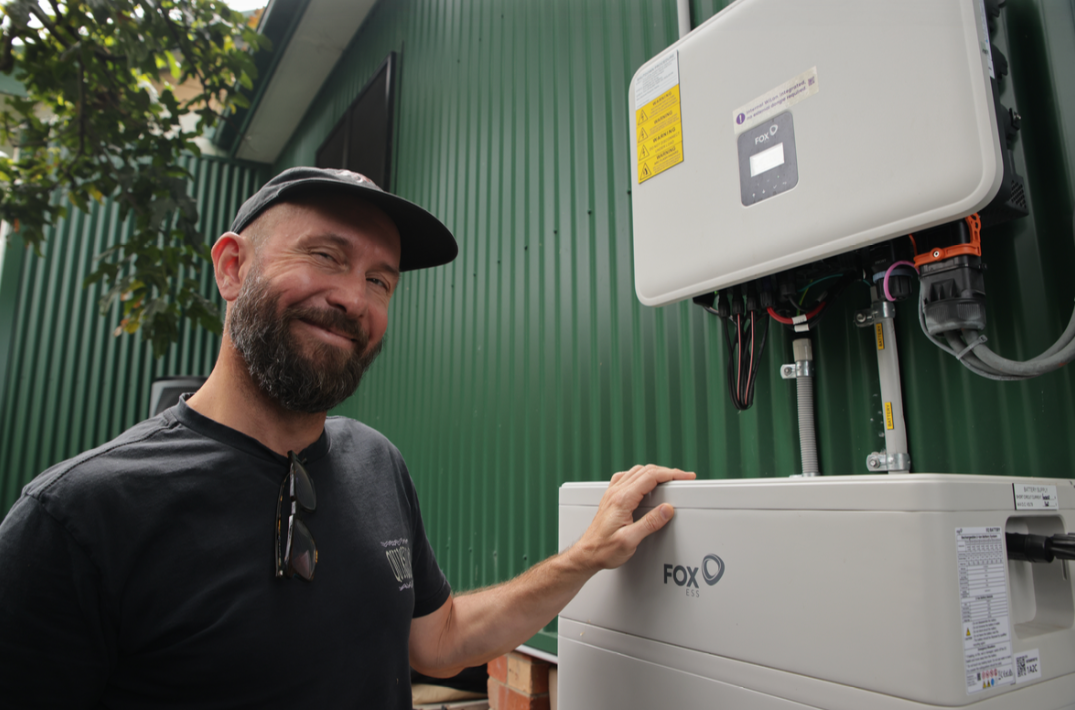
Your Home Battery Could Do More Than Power Your Home
We need more flexible options that let people choose how they participate from simple rewards for shifting energy use, through to more sophisticated automated models.

Community, industry and government join forces to help Canberra ‘Go Electric’
A new partnership between Rewiring Australia, community group Electrify Canberra, energy services company Electric Future and technical delivery partner enX Consulting will deliver the $40 million Go Electric pilot program, helping up to 1,000 households in Banks and surrounding suburbs switch to an all-electric home.
Come meet us at Everything Electric Sydney
We're at Everything Electric in Sydney this weekend, and we'd love you to come and find us.
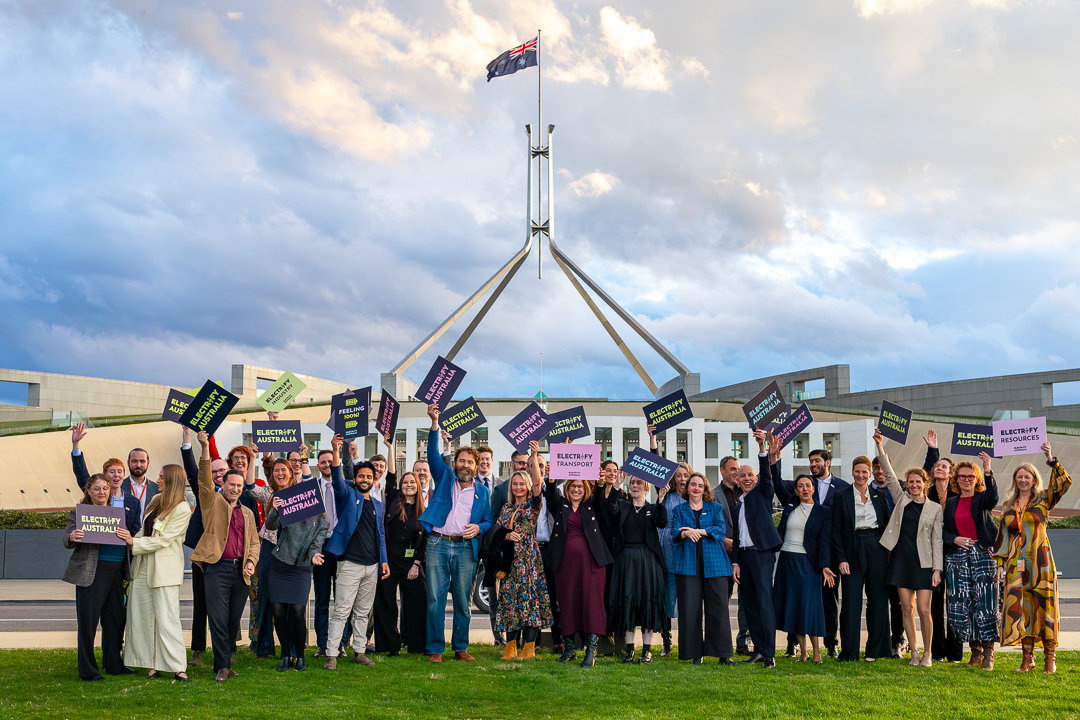
Electrifying Homes and Businesses Crucial to Securing Lower Bills and Energy Stability, Says New National Initiative
Electrify Australia campaign launch - Electrifying Homes and Businesses Crucial to Securing Lower Bills and Energy Stability, Says New National Initiative
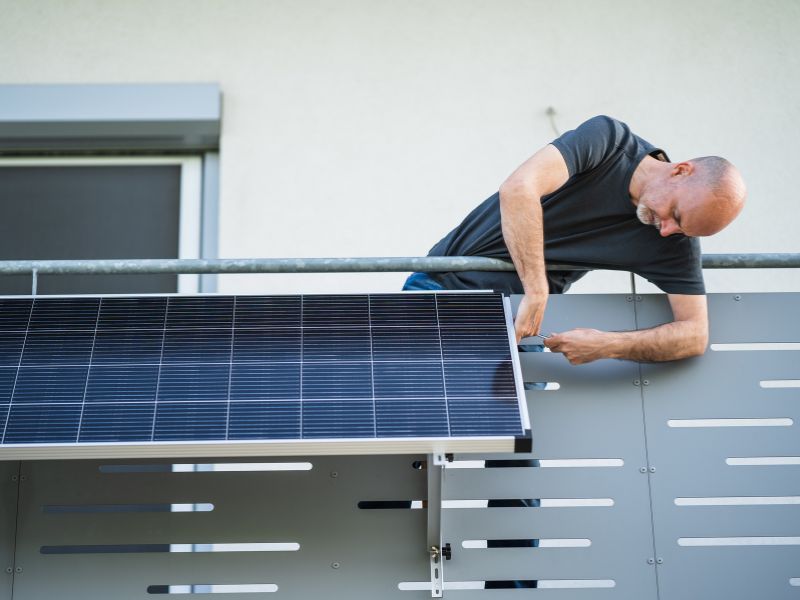
Balcony Solar
Rewiring Australia is calling on governments to urgently update outdated rules so millions of renters and apartment residents can access safe, affordable plug-in balcony solar.
Good news for renters and strata: plug-in solar and batteries is coming
Every Australian state and territory has agreed to work with the Commonwealth to legalise “plug-in” solar and batteries. While the details still have to be worked out, with more coming by the end of the year, this commitment is a big step forward to giving renters and strata households more control of their energy bills

Renters Missing Out on $2.6 billion a Year Because of Gas Billing Quirk
Roughly half of Australian renters (49%) are connected to mains gas, leaving 1.63 million households paying hundreds of dollars a year in fixed charges, a total $2.6 billion a year in potential energy savings.

Electric Saul: New AI tool helps Australians work out how to cut bills and go electric
Australian households can now get free personalised advice on how to cut energy bills and go electric with the launch of a new AI tool created by Rewiring Australia in partnership with Google.

Stop paying miners to burn diesel. Pay them to electrify.
Recent research shows big fossil fuel-consuming and carbon-emitting industries are receiving billions of dollars in credits from taxpayer dollars. We and others think it could be better to cap those subsidies and reward electrification instead.

Australia's Solar Sharer Offer: what it is, who benefits, and what needs to change
We’re lucky to have abundant solar generation through the middle of the day in Australia, and from July 1 2026, Australian energy retailers will be required to offer households a plan that includes three hours of free electricity per day during peak solar generation hours.

The $2,000 power bill saving most renters can’t unlock
Rewiring Australia is urging the Federal Government to extend home battery rebates to bidirectional EV chargers, ensuring renters can access this vital energy storage solution and secure fairer energy bills.

Proposal targets cheaper power for renters locked out of solar savings
Millions of Australian renters could gain access to cheaper, cleaner energy under new proposals which include giving renters the right to plug in portable solar panels and batteries.
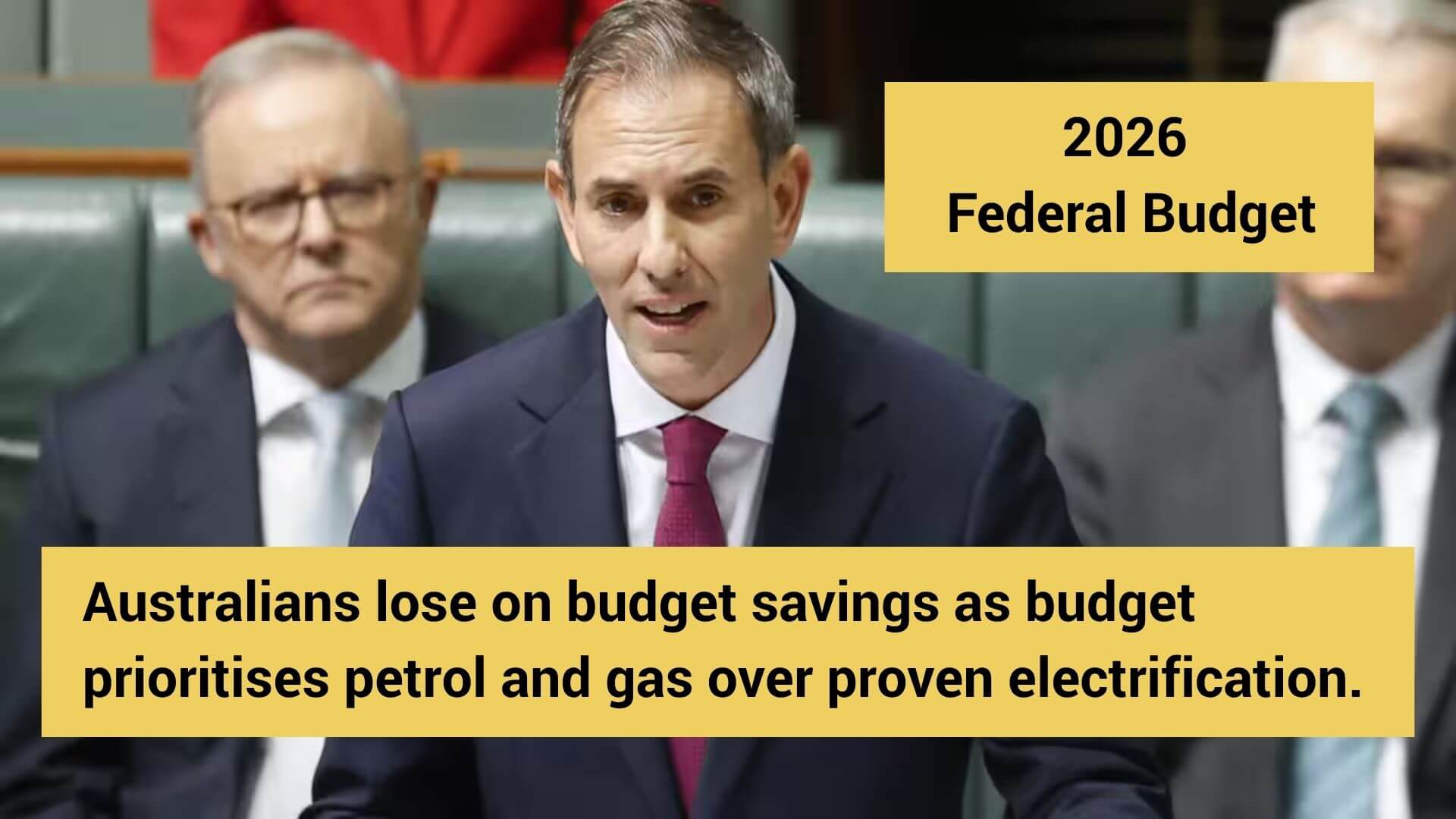
Budget spends billions managing fuel risk but misses better return for taxpayers
While the Federal Budget addresses Australia's energy security The Federal Budget addresses Australia's energy security problem by confirming a $10 billion fuel security package, it leaves a major shortfall in the absence of funding for a national home electrification loan scheme, which is the cheapest and most effective long-term solution for households to reduce their reliance on expensive imported petrol and gas.
Renters deserve the benefits of electrification
We are calling for comprehensive solutions, including mandatory minimum rental standards requiring electric replacements for gas appliances at end of life and shifting fixed gas connection costs to landlords
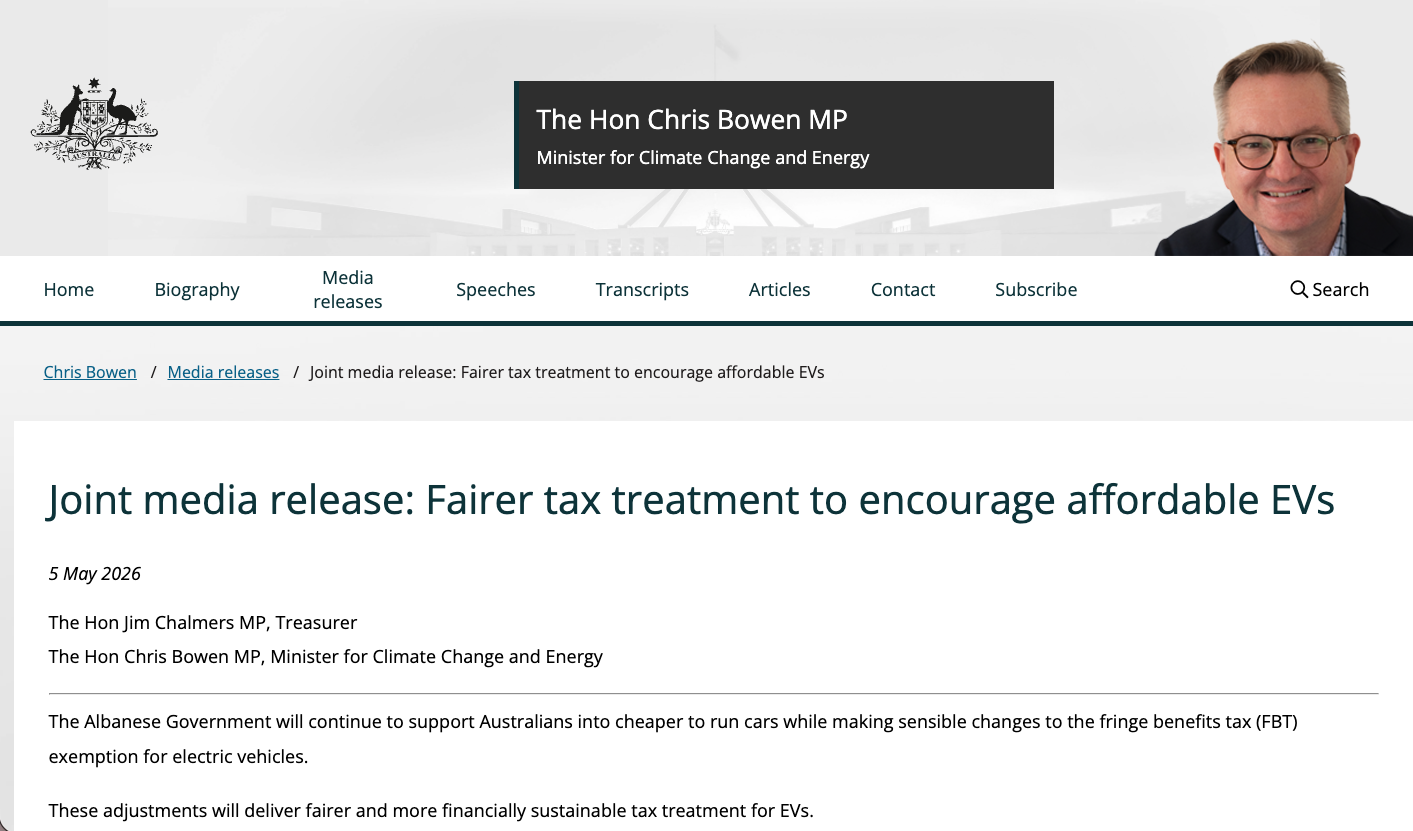
Media Release: Rewiring Australia welcomes EV tax break extension
Rewiring Australia welcomes the Federal Government's decision to extend the electric vehicle fringe benefits tax (FBT) exemption. While this is a positive step that helps more Australians adopt EVs, CEO Francis Vierboom warns that Australia is still far from mass EV adoption.
National plan needed as fuel crisis bites households
Rewiring Australia is calling on the government to introduce a National Electrification Plan and end billions of dollars in fuel tax credits that subsidise diesel use by heavy industry.

Hastie has walked up to the electric door. He just needs to step through.
In a striking interview on ABC's Insiders this weekend, the Shadow Minister for Industry and Sovereign Capability laid out a compelling case for why Australia needs to reduce its dependence on imported fuel, build domestic energy resilience, and protect households from global price shocks. He spoke passionately about self-reliance. He worried aloud about families at the bowser.