.png)
Rewiring Australia is calling on governments to urgently update outdated rules so millions of renters and apartment residents can access safe, affordable plug-in balcony solar.
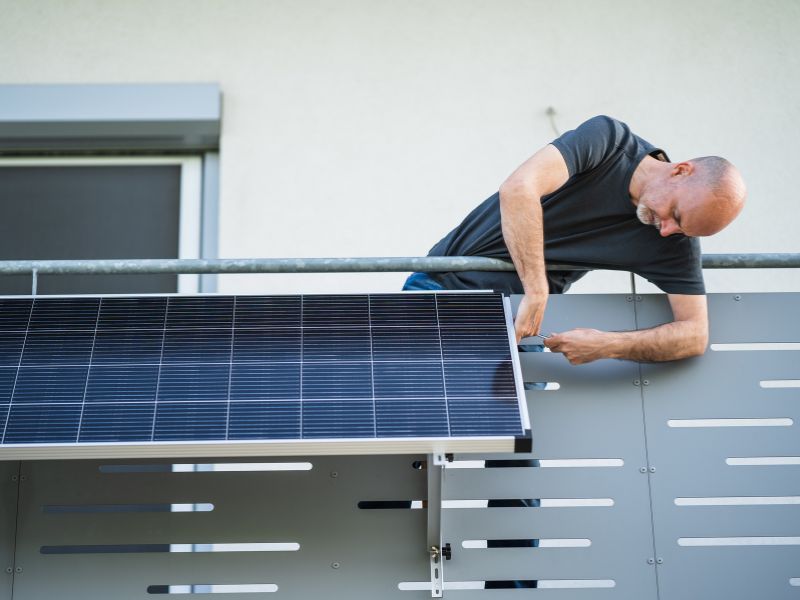
Sunniest country on Earth risks falling behind in balcony solar boom
Rewiring Australia is calling on governments to urgently update outdated rules so millions of renters and apartment residents can access safe, affordable plug-in balcony solar.
A new international white paper from Germany’s Bundesverband Steckersolar (BVSS) and Anker shows plug-in balcony solar systems are taking off overseas, with more than one million registered systems now operating in Germany and adoption accelerating across Europe and the United States.
Despite leading the world in rooftop solar, Australia’s rules have not kept pace. Our regulations still largely assume solar must be permanently installed by accredited installers, limiting access to portable solar solutions.
Currently only around 3.5% of Australian apartments and 11% of rentals have solar, leaving a huge share of Australians locked out of cheaper, cleaner energy.
Rewiring Australia is joining industry partners to call on governments and energy regulators to fast-track a safe pathway for portable consumer energy resources, including balcony solar, portable batteries and future vehicle-to-grid technology.
Francis Vierboom, CEO of Rewiring Australia, said Australia’s next clean energy challenge was ensuring everyone could participate.
“Rooftop solar gave millions of Australians control over their energy bills. Portable energy is the next step extending that choice to people who do not own a suitable roof,” said Mr Vierboom.
“We have created an energy system where homeowners with the right roof can generate cheaper, cleaner power, but renters and apartment residents are largely missing out.
“The next generation of clean energy technology needs to be portable. People should be able to own their energy assets and take them with them when they move.”
Balcony solar systems with an output of around 800 watts can be bought from supermarkets in Germany for around $50 and simply plugged in at home. Just two solar panels installed in a Brisbane home weighing around 20kg each could supply around 800kWh of energy a year That’s enough to power appliances like a fridge and washing machine and save a typical family $200 annually.
Lots of Australians can already sign up to a Solar Sharer Offer plan with 3 hours of free electricity, so plug in batteries could offer even bigger savings and grid benefits. They could charge up on free energy each day and cut power needs (and bills) during evening peaks.
However, in Australia, simple plug-in balcony solar and battery systems are currently not permitted under existing regulatory settings.
Glen Morris, Solar Standards Committee member and Director of Smart Energy Lab, said Australian testing was currently demonstrating that the technology could be safely integrated.
“The technology is already operating successfully overseas, where consumers can purchase certified systems and simply plug them in at home,” said Mr Morris.
“We are currently running trials at the Smart Energy Lab in the Yarra Valley alongside the CSIRO to test safety and performance in the Australian context.
“There really is no technical reason why Australians should not be able to safely access balcony solar but the regulatory framework needs to catch up fast.”
The trials are examining how plug-in solar systems interact with Australian safety standards, including certified inverters, anti-islanding protections and network requirements.
Rewiring Australia and industry standards partners are calling on state and federal energy ministers to commit to a 12-month roadmap to give Australians the ‘right to plug in’:
Electrifying our homes and cars is the recipe to cut emissions and save money for Australian homes. Let's build an abundant electric future for Australia.
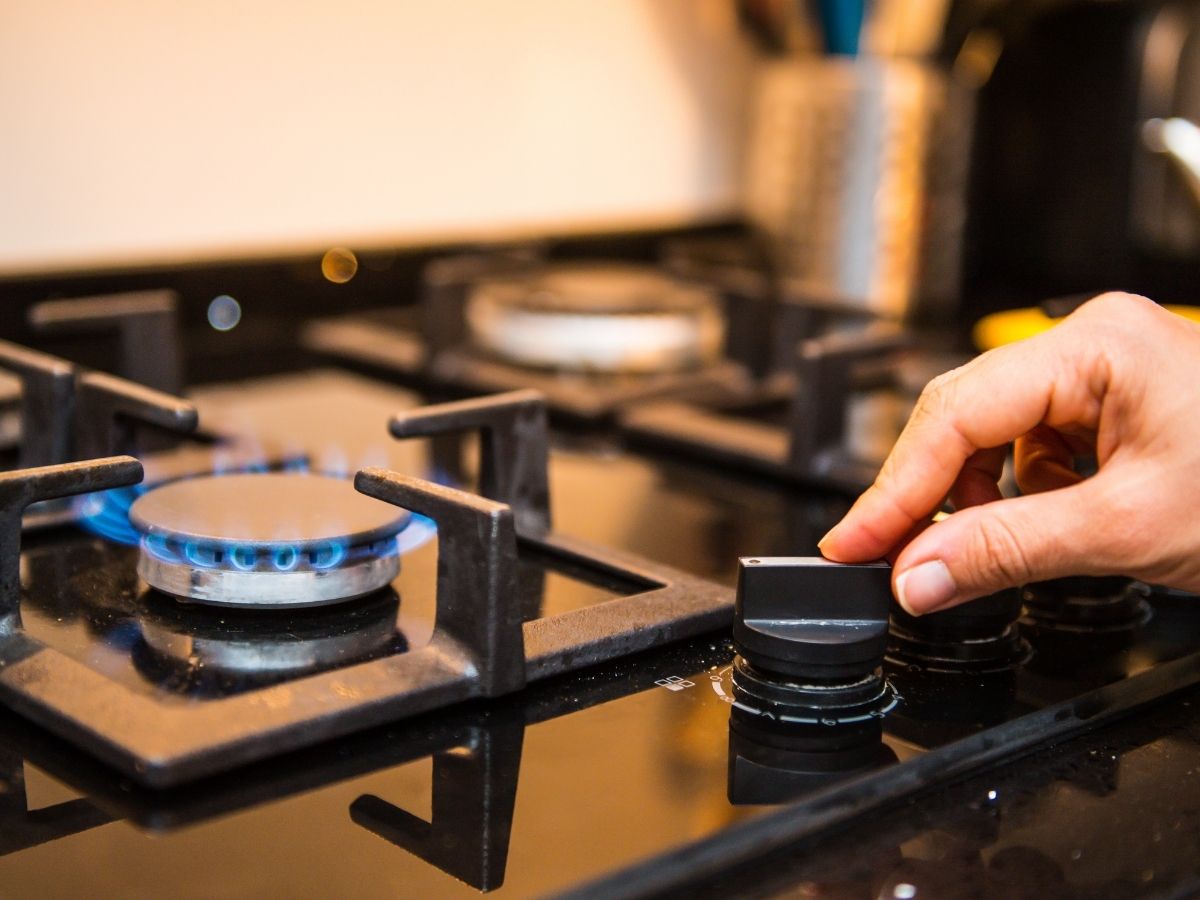
“Electric technologies are scientifically proven to be cheaper and more efficient. A heat pump water heater or reverse cycle A/C uses around a quarter of the energy to heat the same water or air. Gas goons will never tell you this and say it’s about consumer choice. It’s imperative that nobody is fooled by their lies.”
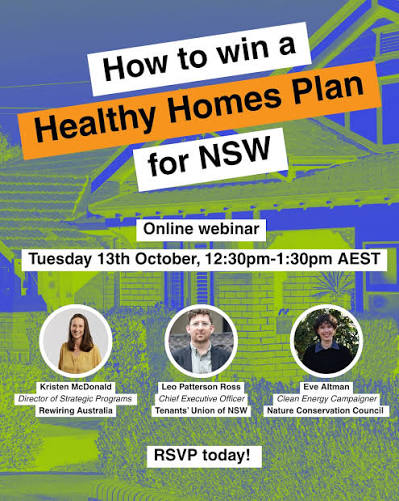
Join this webinar organised by the Nature Conservation Council to hear from experts on how improving energy efficiency helps fight climate change and why a Healthy Homes Plan will support rental homes (which are 1/3 of homes in NSW) to be more affordable and liveable.
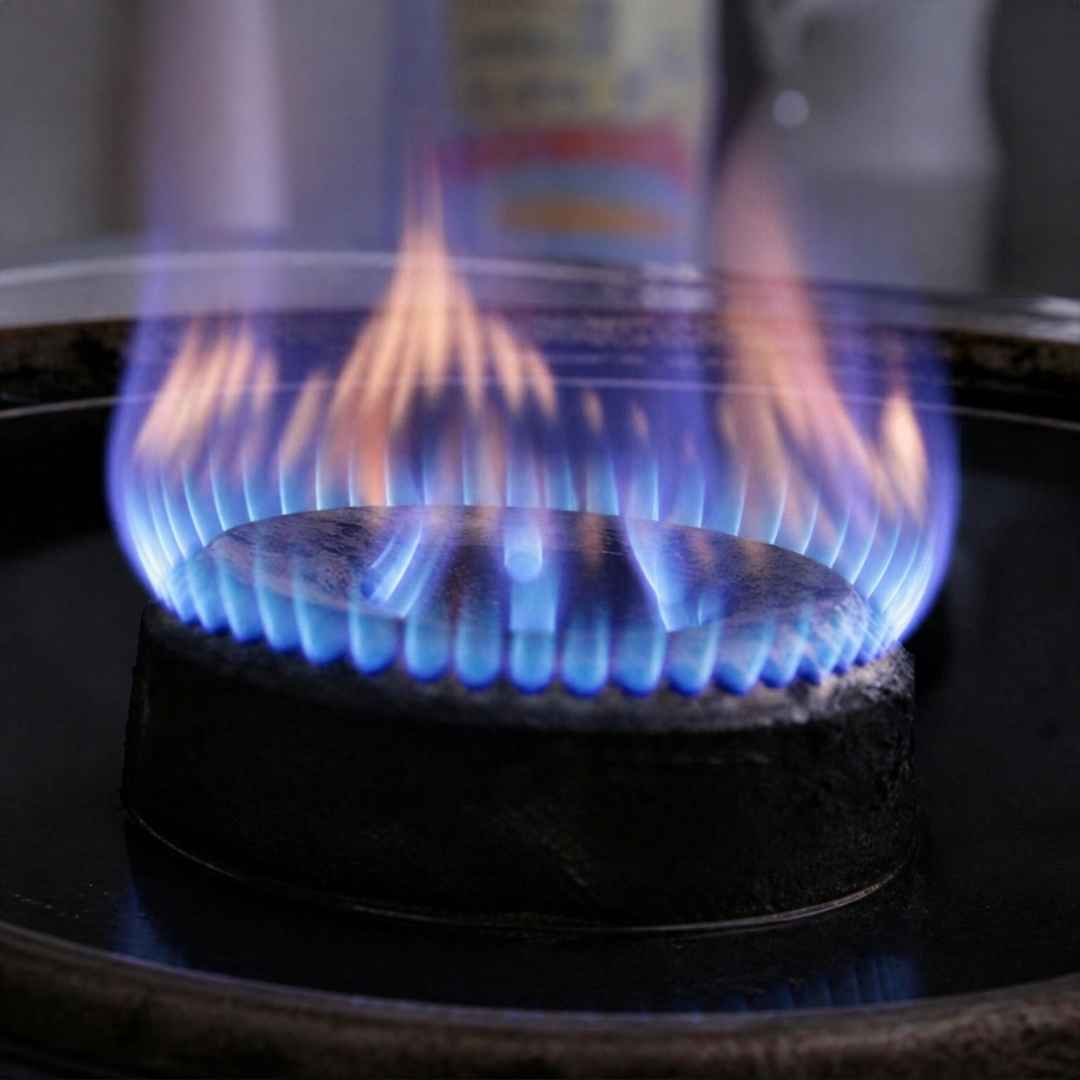
South Australian gas customers risk being left with millions of dollars in new connection costs after the Malinauskas Government quietly delayed a national rule taking effect today that would have made new gas connections pay their own way.