.png)
Recent research shows big fossil fuel-consuming and carbon-emitting industries are receiving billions of dollars in credits from taxpayer dollars. We and others think it could be better to cap those subsidies and reward electrification instead.
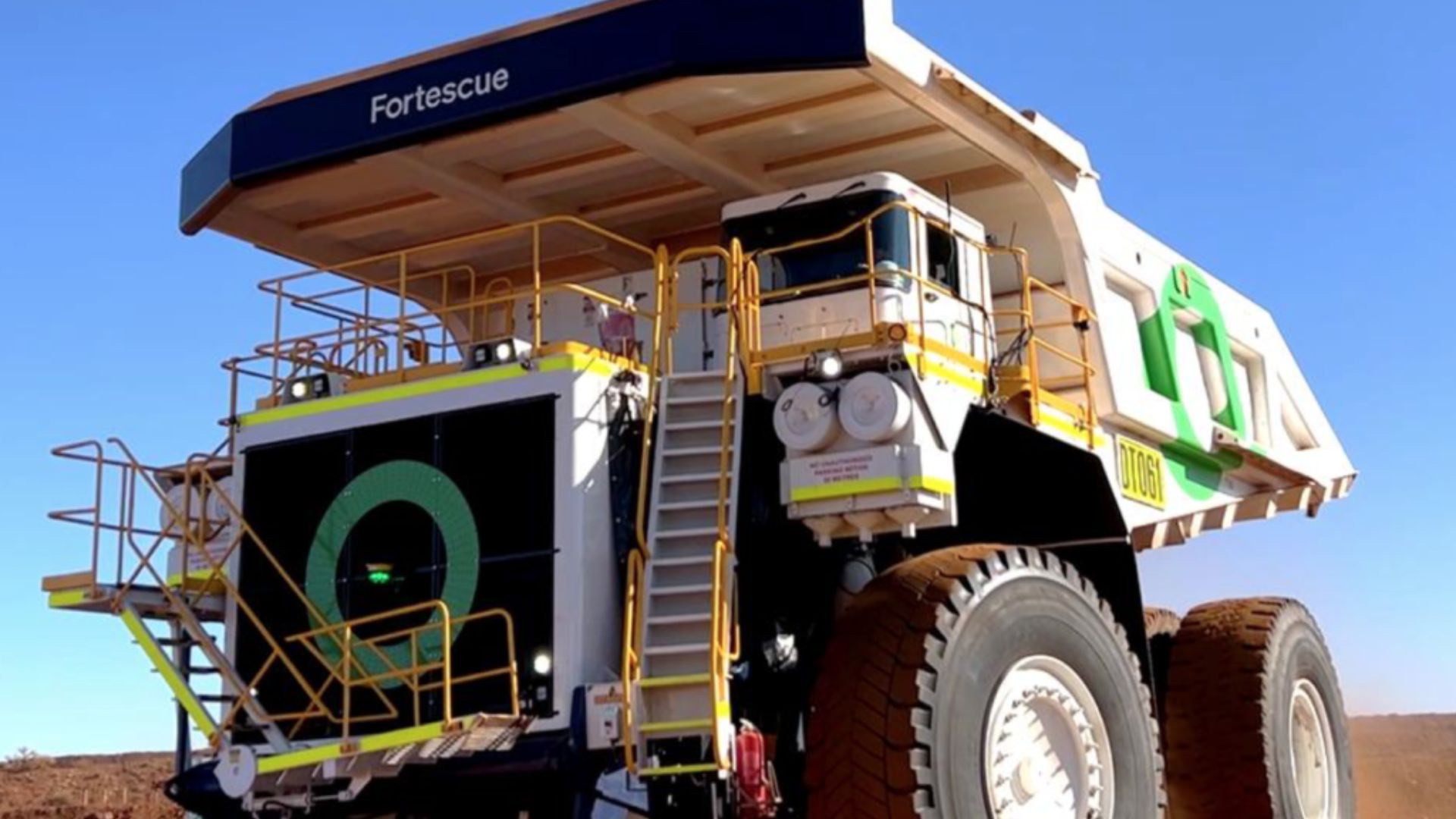
Every year, Australian taxpayers hand mining companies billions of dollars in diesel fuel tax credits.
This week, Labor's national conference amended the party platform to open the way to winding back the rebate for big miners and we are calling on the Prime Minister and Cabinet to back it in.
The numbers are staggering:
.png)
Rewiring Australia CEO Francis Vierboom says: “Australia can't afford to keep subsidising fossil fuels while households are working to cut their energy costs and emissions.
"This is a reform with huge benefits on offer to Australia. For now, we're the World Cup champions of burning fuel: thanks to our big mining, agriculture and transport industries, we use far more diesel per capita than any other major economy.”
There's a smart fix on the table which Rewiring Australia is fully behind. Climate Energy Finance proposes capping credits at $50 million per company, with anything above that returned only when it's matched by investment in electrification. That would redirect over $2 billion every year into electric trucks, machinery, batteries and renewables.
Francis adds: "This is a clear, smart solution: stop paying out billions to the miners for every litre of diesel they burn, and spend that money on helping the sector invest in going electric instead.
"The result: we get a resources sector that's got vastly higher energy productivity, is more secure and resilient to global shocks, and runs on Australian-made electricity instead of oil on ships across vast supply chains.”
The good news is that in 2026 it can be done.
Electrifying our homes and cars is the recipe to cut emissions and save money for Australian homes. Let's build an abundant electric future for Australia.

Join this webinar organised by the Nature Conservation Council to hear from experts on how improving energy efficiency helps fight climate change and why a Healthy Homes Plan will support rental homes (which are 1/3 of homes in NSW) to be more affordable and liveable.
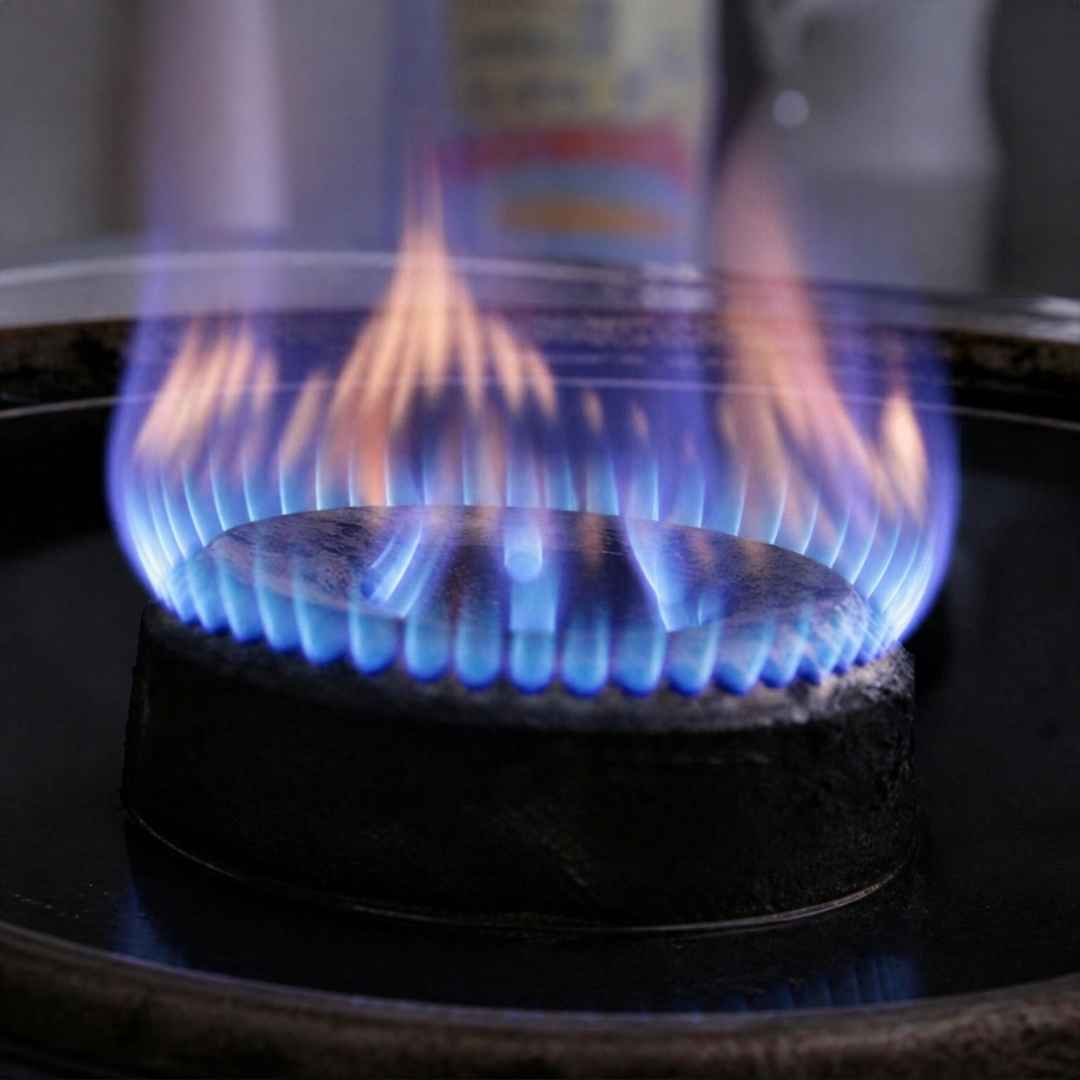
South Australian gas customers risk being left with millions of dollars in new connection costs after the Malinauskas Government quietly delayed a national rule taking effect today that would have made new gas connections pay their own way.

A new partnership between Rewiring Australia, community group Electrify Canberra, energy services company Electric Future and technical delivery partner enX Consulting will deliver the $40 million Go Electric pilot program, helping up to 1,000 households in Banks and surrounding suburbs switch to an all-electric home.