The NSW Government has announced it will cut the income threshold for its zero-interest Home Energy Saver loans from $210,000 to $150,000, while the Federal Government is reportedly weighing further cuts to EV salary packaging and home battery support to find budget savings. Rewiring Australia Founder Saul Griffith said both moves were driven by inflation anxiety but would make the problem worse.
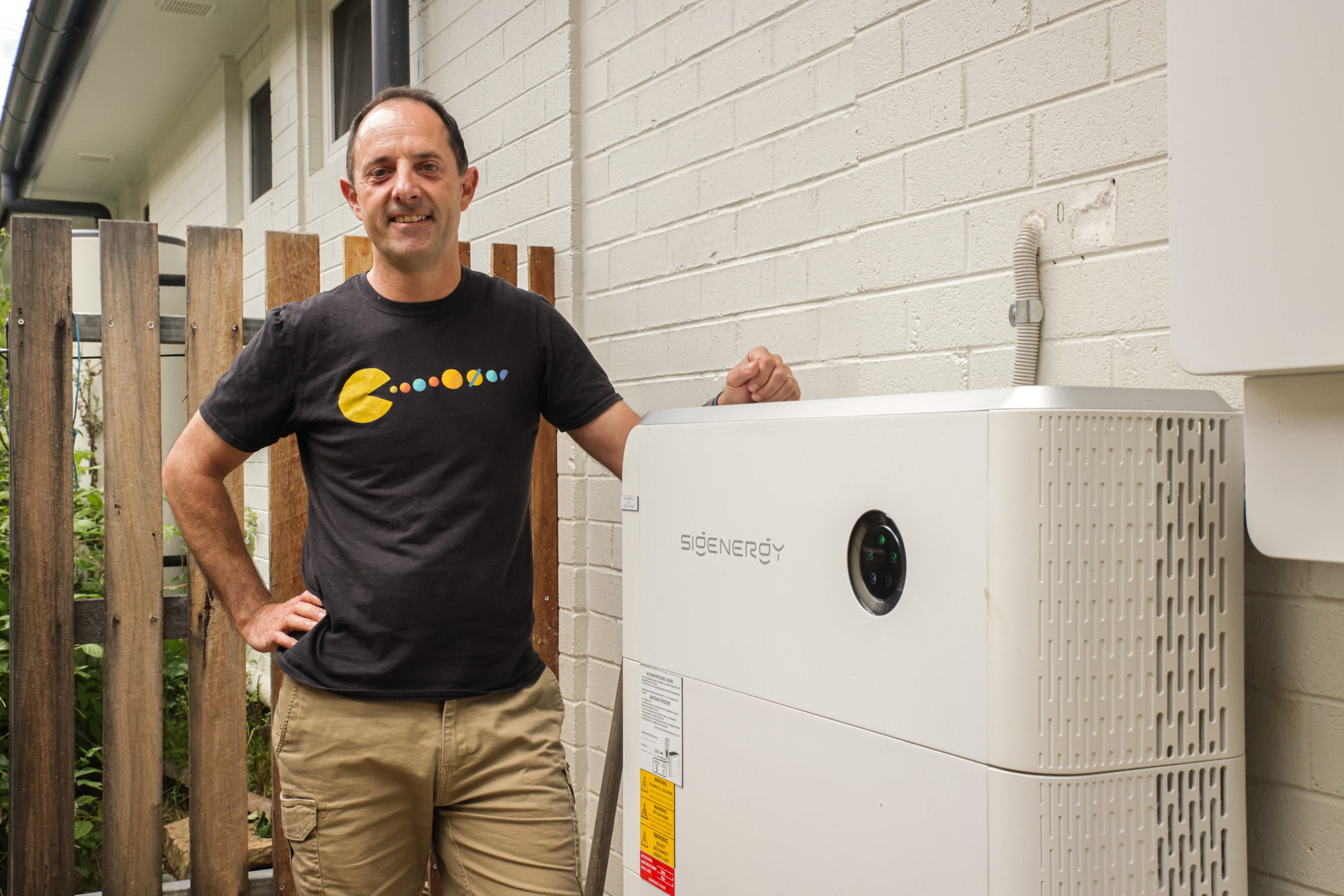
Cutting support for electric homes and cars trades a short-term budget saving for years of higher energy bills and fossil-fuel price shocks, Rewiring Australia said today.
The NSW Government has announced it will cut the income threshold for its zero-interest Home Energy Saver loans from $210,000 to $150,000, while the Federal Government is reportedly weighing further cuts to EV salary packaging and home battery support to find budget savings.
Rewiring Australia Founder Saul Griffith said both moves were driven by inflation anxiety but would make the problem worse.
"The inflation spike of the last few years was powered by fossil fuel prices. Every household still running on petrol and gas is exposed to the next price shock, but a home that electrifies is protected from it.
“The Cheaper Home Batteries Scheme and FBT exemption for EVs are among the very few programs that actually lower the cost of living permanently and they must be protected," he said.
Mr Griffith said electrification support was also among the least inflationary things a government can spend money on.
"A household that sacrifices salary for an EV, or takes a loan for a battery, has less money to spend elsewhere in the economy for years. That's the opposite of a cash handout.
"And much of the hardware is imported, so a large share of the spending flows offshore rather than heating up the local economy. What stays here is installation work and lower bills."
The NSW change removes households earning $150,000 to $210,000 from the loan scheme. Rewiring Australia estimates the change will impact around 400,000 homes, many of them owner-occupiers with mortgages who are exactly the people most likely to take up a loan.
"These are nurses married to electricians, teachers married to tradies. They're not rich, they're stretched, and they were ready to go," Mr Griffith said.
"Taxpayers hand around $11 billion a year in fuel tax credits to diesel users, and nearly half goes to mining. Gas exporters are making enormous profits while paying little or nothing in royalties on much of what they ship.
"If governments want savings, start there. Don't start with the programs that make Australia cheaper to run, more productive and lower in emissions.
"We need to keep electrifying everything. That's how we get a lower-inflation, higher-productivity economy for good."
Contact: Eliot Barham 0423 921 200
Electrifying our homes and cars is the recipe to cut emissions and save money for Australian homes. Let's build an abundant electric future for Australia.

Analysis of new disconnection data by Rewiring Australia reveals Victorians are shifting away from gas in record numbers, with usage halving in Rochester and declining by more than a third in Ararat amidst significant reductions in Melbourne’s outer suburbs and growth corridors.
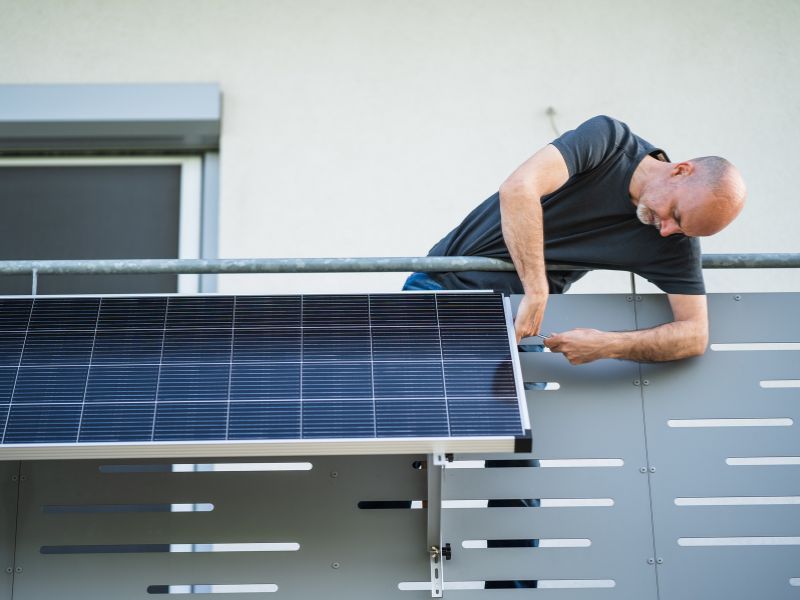
Western Australia is the first state to commit to legalising plug-in balcony solar and batteries. It’s a big win for millions of Australians who’ve been shut out of cheap, clean power.
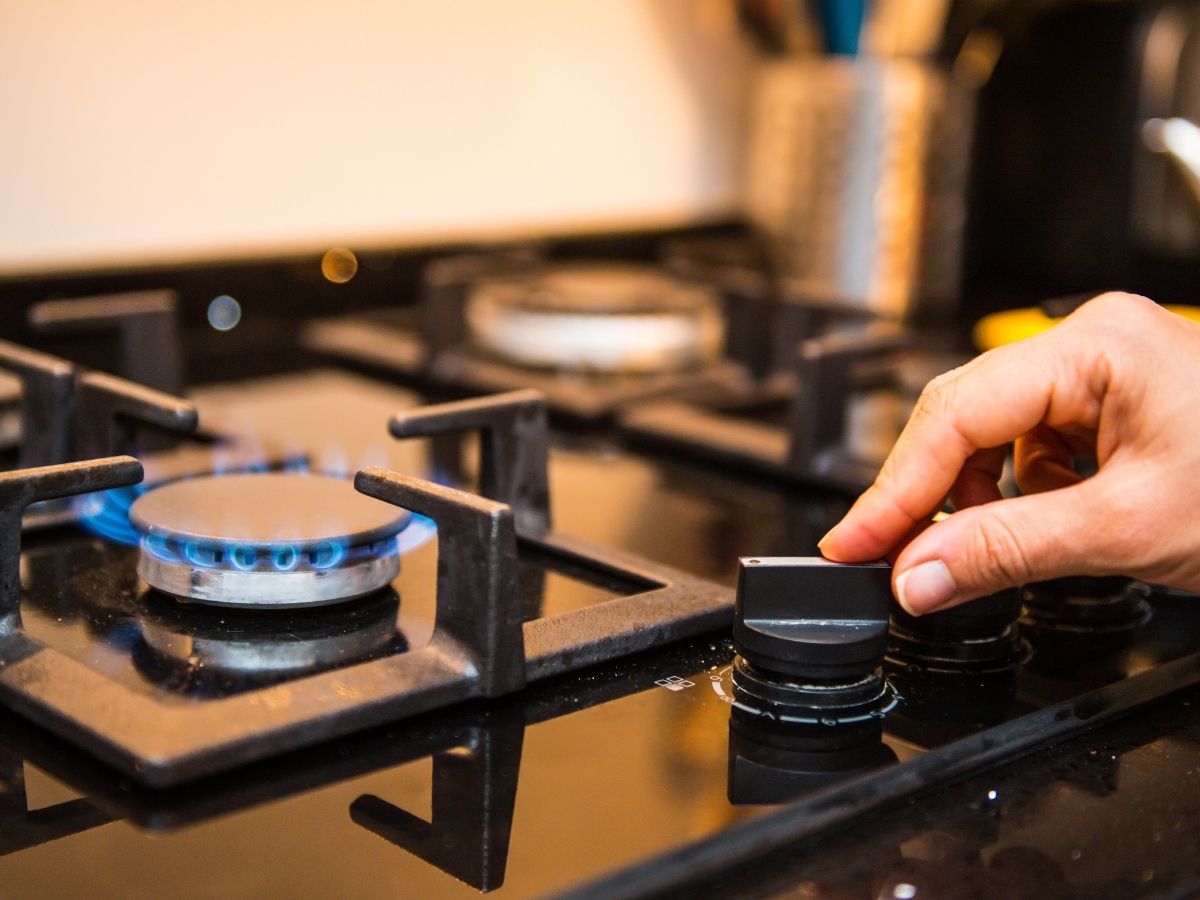
“Electric technologies are scientifically proven to be cheaper and more efficient. A heat pump water heater or reverse cycle A/C uses around a quarter of the energy to heat the same water or air. Gas goons will never tell you this and say it’s about consumer choice. It’s imperative that nobody is fooled by their lies.”