
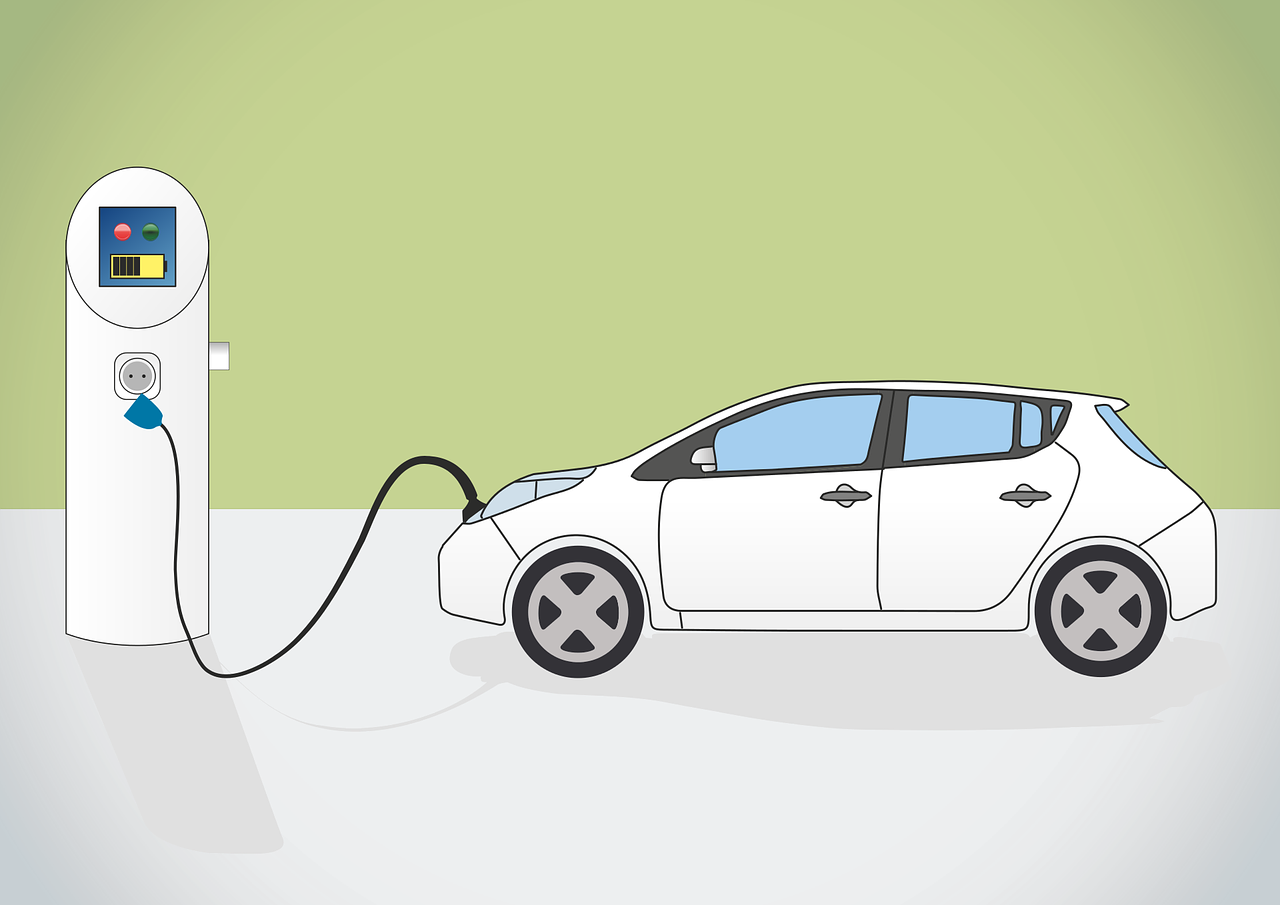
“We should be creating more incentives for people to upgrade to electric vehicles, which are cheaper to run, quieter, and cleaner for our air,” Rewiring Australia CEO Francis Vierboom said.
Media Release
Rewiring Australia has slammed the proposal to fast-track a road-user tax for electric vehicle users, with 90% of new cars sold every day still being petrol vehicles.
Plans for a road-user tax for electric vehicle drivers are reportedly being discussed at a meeting today ahead of the Treasurer’s Economic Reform Roundtable.
Rewiring Australia has warned that targeting such a small percentage of drivers who are motivated by a desire to reduce their fuel bills and emit less carbon emissions is not only bad for the uptake of cleaner and cheaper technology, but of no real benefit to the economy either.
“We should be creating more incentives for people to upgrade to electric vehicles, which are cheaper to run, quieter, and cleaner for our air,” Rewiring Australia CEO Francis Vierboom said.
“Of the 3,500 new cars sold every day in this country, 90% are still new petrol vehicles. Every time someone buys a new petrol car, they are locking in another two decades of expenses and emissions. We need to prioritise cleaner and cheaper alternatives for Australian families and businesses.
“Slapping a tax on electric vehicle drivers won’t make a massive difference to roads anyway. The current fuel excise tax, which brings in $16 billion in revenue, only makes up about 2% of total tax revenue. If the government is worried about tax revenues, we’d suggest they take another look at the fuel tax credits handed out to oil and gas companies before going after commuters trying to reduce their running costs.
“Of that $16 billion, only about a third is spent on roads so the argument that a small proportion of drivers will lead to a vast improvement in our roads is a bum steer.
“An EY report found each electric vehicle contributed about $740 a year in benefits because of reduced noise, air and carbon emissions. I don’t think EV drivers are really getting a free ride. They are making your streets healthier for you and the next generation,” Francis Vierboom said.
Rewiring Australia said there was evidence electric transport could also bolster our economy.
“Australia has almost the most roads in the world per capita, and has been spending $160 million on importing oil every day. We could instead be harnessing our own solar energy to power transport which moves our groceries, building and agriculture supplies around the country. The economic benefits from cheaper transport will flow through the rest of the economy.
“If we want quieter streets, less air and carbon emissions, and reduced bills, we need to be doing everything we can to help people upgrade.
“Another added benefit - we know EVs can help ease the cost of our energy system, with the batteries in our cars set to become the biggest source of flexibility and storage in our energy system. This could help minimise the need for new transmission lines and support more rooftop solar in our communities,” Francis Vierboom said.
“It’s taxation basics: tax what you want less of, not what you want more of. Let’s use the tax system to get this upgrade to EVs done faster,” Francis Vierboom said.
To arrange an interview, please contact Kathleen Ferguson on 0421 522 080
Electrifying our homes and cars is the recipe to cut emissions and save money for Australian homes. Let's build an abundant electric future for Australia.

“Instead of cutting the battery subsidy, the government should look at incentivising virtual power plant enrollment as a rebate condition. This would allow homes to discharge into the grid during peak evening demand and drive down power bills across the entire network.

The Liberals, Nationals and One Nation have promised to scrap new legislation that will require all new homes to be built all-electric from Jan 2027 and will also roll back plans that would see households required to replace failing gas hot water systems with efficient electric ones - due to come into effect next March.These proposed measures would only serve to protect the gas industry, and will keep households locked into costly gas infrastructure for decades to come.
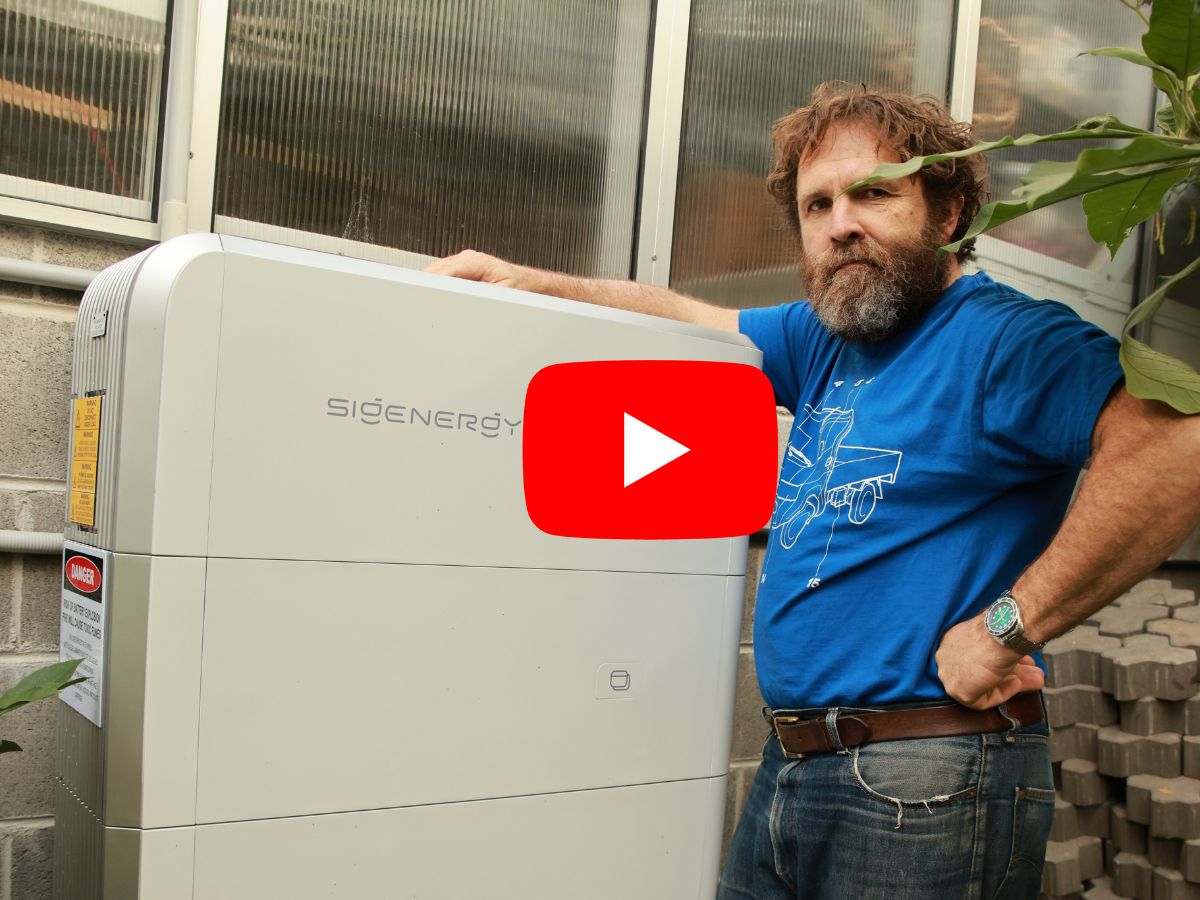
Households can save $4300 a year on their energy bills by ditching gas and petrol and going fully electric reveals Dr Saul Griffith.