This election is a clear mandate to continue this energy transition, but we need to make it happen fairer and faster. Here’s what needs to happen next:
Australians have overwhelmingly chosen a future of cheaper, cleaner energy - a landmark win for climate action.
This election is a clear mandate to continue this energy transition, but we need to make it happen fairer and faster. Here’s what needs to happen next:
1. Flexible, concessional finance to help invest in lower bills
As many commentators have noted, a typical home battery might still cost well over $8000 even after this proposed subsidy, and despite the long-term savings on offer, this upfront cost is out of reach for many households with limited savings.
Advocates from across sectors are clear: we need consumer-friendly finance options available to help every household upgrade and lower bills. Rewiring Australia has modelled the Electrify Everything Loan Scheme - a loan for homeowners to upgrade that’s secured on the property, indexed, and repaid on sale, with the option for income-contingent repayments.
This kind of finance would help and incentivise everyone from low-income pensioner homeowners to multi-property landlords deliver lower bills to the homes that need it most. The day you’re getting the money from a home sale is the easiest day to pay off a small upgrade loan. What’s more, this is a loan that’s literally ‘safe as houses’, which minimises the cost of financing to taxpayers.
2. A National Strategy for Renter Energy Bills
Electricity and gas bills have more than doubled as a share of household costs since the early 1990s, rising from under 1.5% to around 3.5%. Renters pay even more, despite using less energy, because they can’t make the bill-busting electrification improvements that homeowners can - for example, installing a home battery.
If we had a focused plan to deliver energy upgrades for renters, we’d be relieving cost of living pressures where it matters the most while making further cuts to emissions.
Rewiring Australia is calling on all parties to commit to a National Strategy for Renter Energy Bills in the next Parliament. This Strategy should have the objective to deliver lower energy bills in rentals and drive the upgrade of rental homes, bringing them up-to-date with the energy options available to homeowners. This will require action across Federal and State governments, and they’ll need to collaborate to deliver the policy reforms, finance and support to make it happen.
3. Wider scope for upgrades to cut bills and emissions
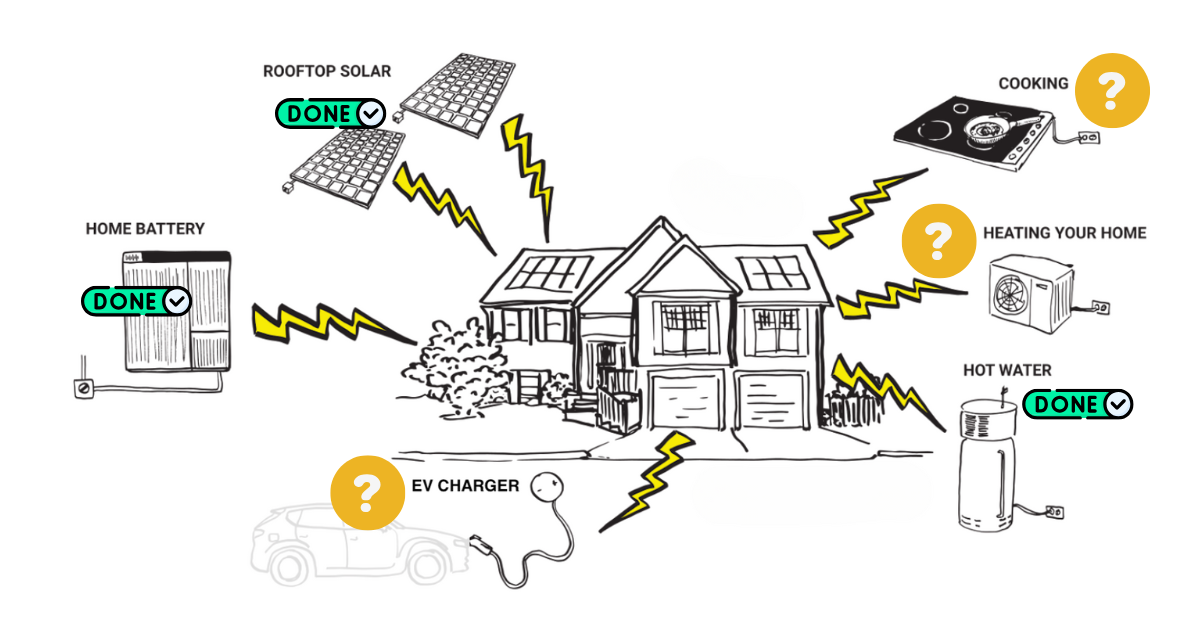
The Small Scale Renewable Energy (SRES) Scheme now applies discounts to solar panels, home batteries, and heat pump hot water systems. These technologies play a crucial role in electrification and lowering emissions. Why stop there? The scheme could also send a signal that now is the time for households to invest in a wider range of upgrades that lower emissions and bills. It should enable discounts for:
Electrifying our homes and cars is the recipe to cut emissions and save money for Australian homes. Let's build an abundant electric future for Australia.

“Instead of cutting the battery subsidy, the government should look at incentivising virtual power plant enrollment as a rebate condition. This would allow homes to discharge into the grid during peak evening demand and drive down power bills across the entire network.

The Liberals, Nationals and One Nation have promised to scrap new legislation that will require all new homes to be built all-electric from Jan 2027 and will also roll back plans that would see households required to replace failing gas hot water systems with efficient electric ones - due to come into effect next March.These proposed measures would only serve to protect the gas industry, and will keep households locked into costly gas infrastructure for decades to come.
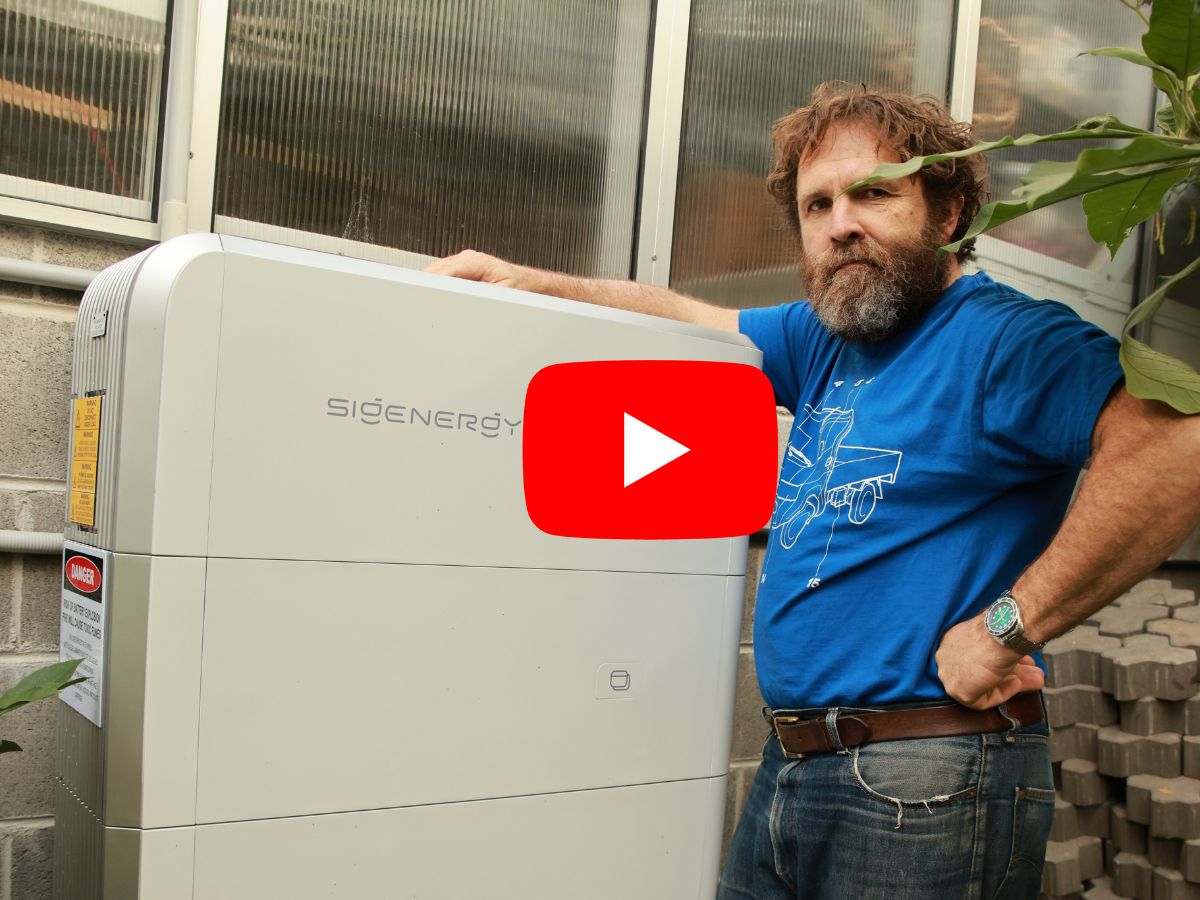
Households can save $4300 a year on their energy bills by ditching gas and petrol and going fully electric reveals Dr Saul Griffith.