
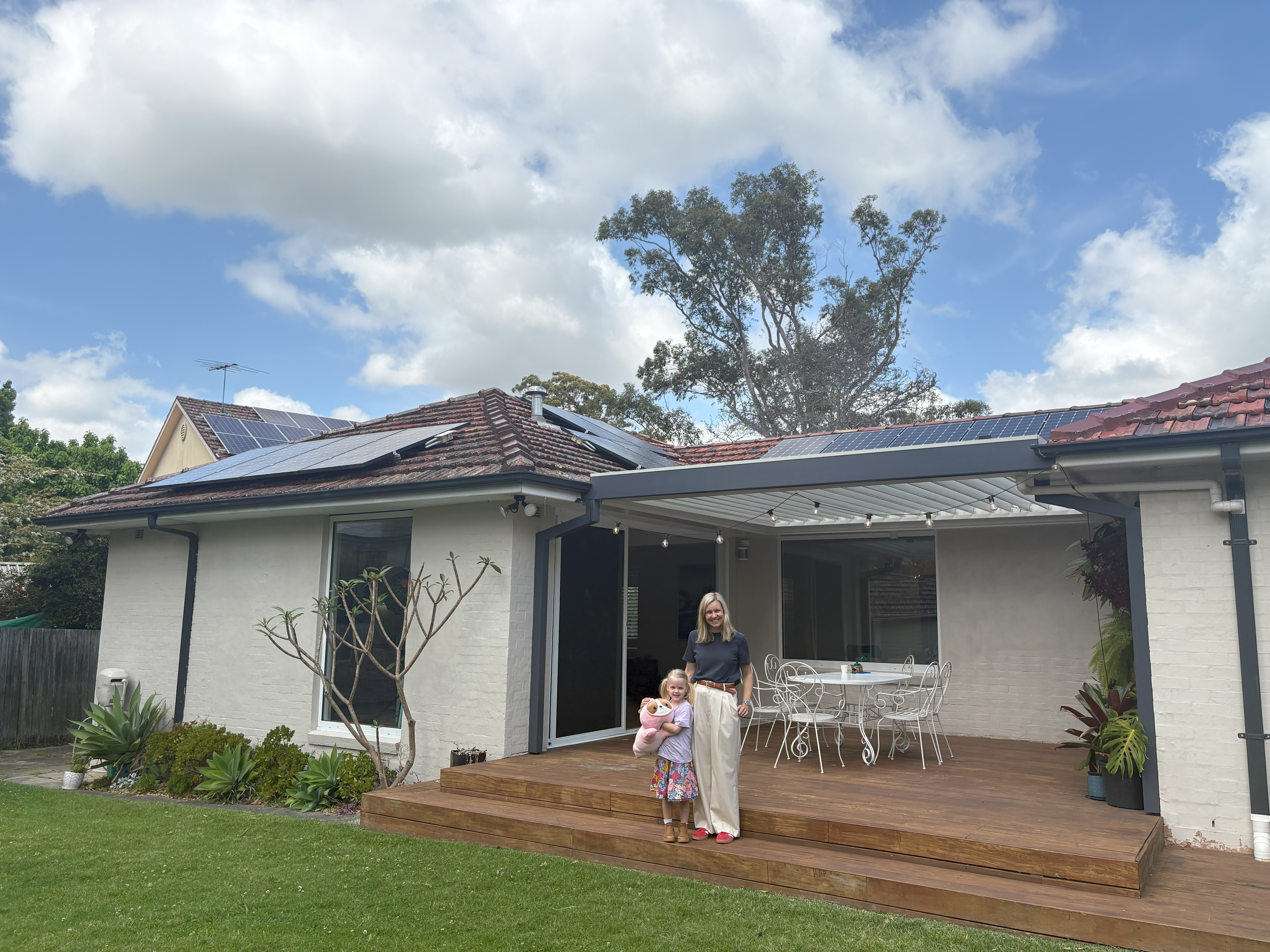
“Usually we think of climate change as a big problem that’s happening somewhere else far away. Unfortunately, this report reminds us impacts are already happening in our communities - but the action to fix it is also happening in our communities.
MEDIA RELEASE
The first national climate risk assessment contains alarming warnings about the future, but it should serve as a prompt for practical steps households can take to reduce carbon emissions, create more resilient energy systems, and also cut bills, Rewiring Australia said.
Today’s assessment detailed growing risk profiles for a variety of climate-related challenges, including storms, rising sea levels, extreme heat and energy infrastructure vulnerability.
But Rewiring Australia said households do have some control over a large share of emissions through a few decisions made over time.
Decisions we make at home about heating, hot water, cooking, vehicles and electricity supply account for around 20 per cent of Australia’s emissions.
“Usually we think of climate change as a big problem that’s happening somewhere else far away. Unfortunately, this report reminds us impacts are already happening in our communities - but the action to fix it is also happening in our communities. Most Australian households still own at least one machine that burns fossil fuels - a car, a gas cooktop, a hot water system, a lawn mower. Every one of these has an electric version that’s cleaner, healthier, cheaper to run, and future-proof,” Rewiring Australia CEO Francis Vierboom said.
“When you combine these electric machines with cheap rooftop solar, and the thousands of batteries that are getting installed in our homes, the news gets better - this upgrade slashes bills and puts the power back in people’s hands instead of the big energy companies.
“Nobody in the world is going to have a clearer economic case than Australian households. Electrifying our homes is a practical way to protect families and our grid as our climate gets warmer. Each time someone upgrades, they cut emissions and their bills. It doesn’t sound like much when it’s one house or a few hundred, but we are primed for large scale uptake with the most rooftop solar panels per capita in the world.
“This report should also make it clear that governments across Australia should pull out all the stops to do the emissions reductions we can now, and back households to go for lower emissions and lower bills as fast as we can. That means removing upfront costs with innovative finance models, such as low or no interest and flexible loans; strengthening the incentives to choose an EV at the car yard instead of locking in decades more emissions with petrol vehicles; ending gas connections into new homes and phasing out the sale of new gas appliances; and investing in training the electrical workforce to encourage more electrification. If we make the electric choice clear and easy for every household, we can materially lower pollution, and help put more money back in families’ pockets,” Francis Vierboom said.
Rewiring Australia research has found electrifying a home is a win-win for lowering emissions, and slashing bills. The Electrification Tipping Point report released earlier this year showed electrifying a the average fossil fuel- powered home with solar and a battery saves about $4,100 per year over a 15 year period, and driving an EV created savings of about $1,500 per year, or $2,500 when charged at home using rooftop solar.
Media contact: Kathleen Ferguson - 0421 522 080
Electrifying our homes and cars is the recipe to cut emissions and save money for Australian homes. Let's build an abundant electric future for Australia.

“Instead of cutting the battery subsidy, the government should look at incentivising virtual power plant enrollment as a rebate condition. This would allow homes to discharge into the grid during peak evening demand and drive down power bills across the entire network.

The Liberals, Nationals and One Nation have promised to scrap new legislation that will require all new homes to be built all-electric from Jan 2027 and will also roll back plans that would see households required to replace failing gas hot water systems with efficient electric ones - due to come into effect next March.These proposed measures would only serve to protect the gas industry, and will keep households locked into costly gas infrastructure for decades to come.
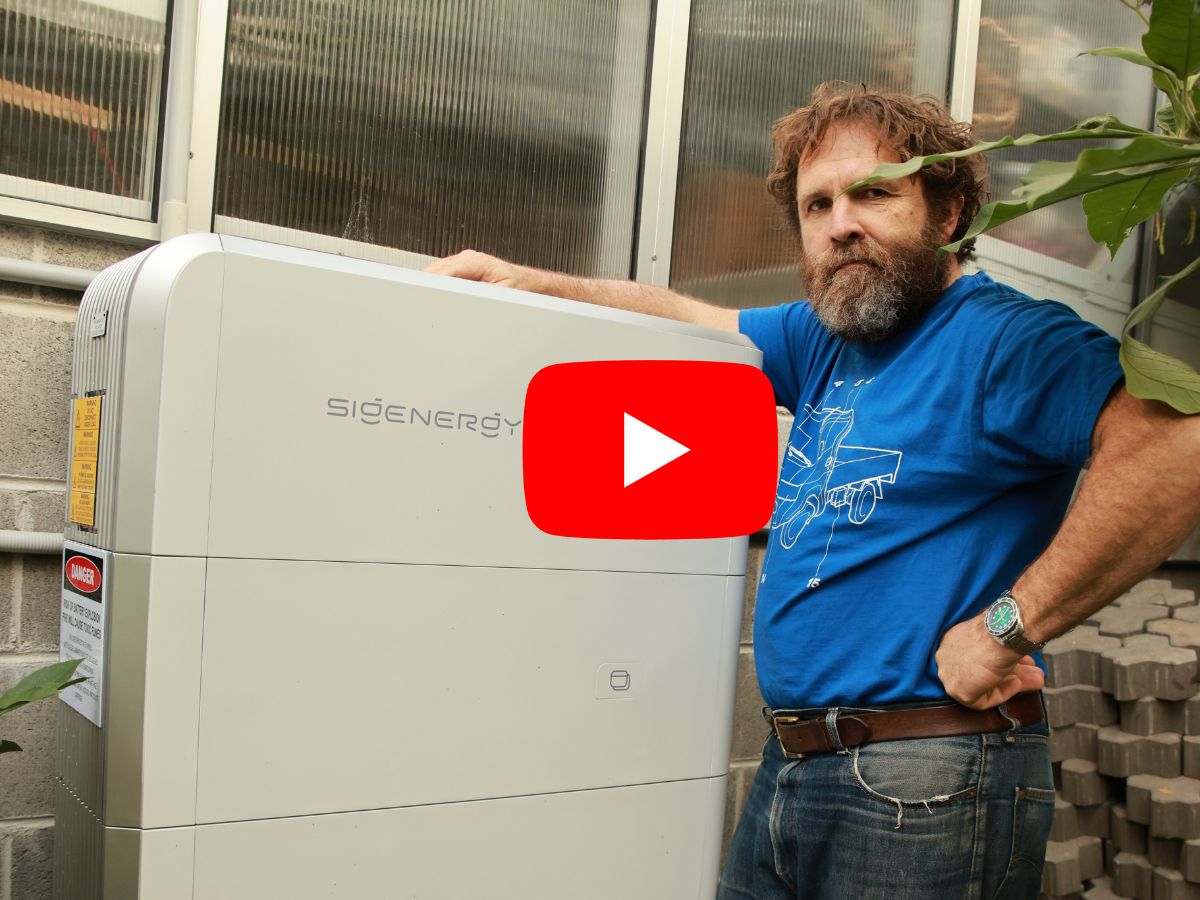
Households can save $4300 a year on their energy bills by ditching gas and petrol and going fully electric reveals Dr Saul Griffith.