
The new modelling shows that households who switch to an electric car, solar and electric appliances could save more than $4,000 a year, even when including upfront costs.
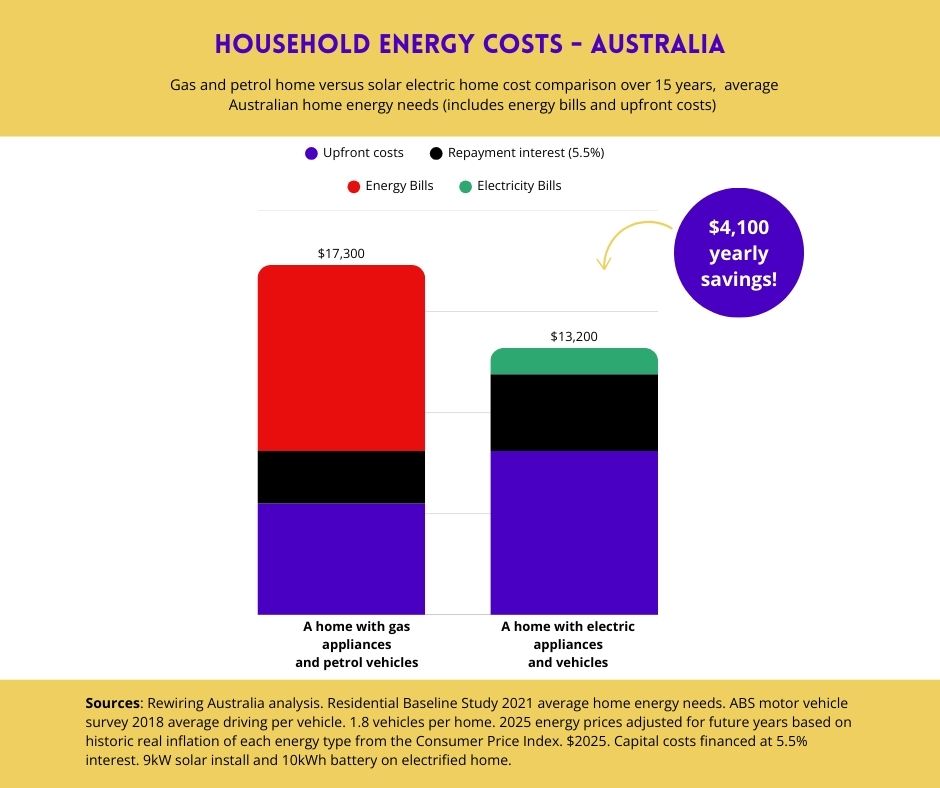
Our new report ‘The Electrification Tipping Point’ shows the economics in Australia have passed a crucial milestone: buying an electric appliance or vehicle is cheaper than the fossil-fuel powered alternative, even when you consider the upfront costs.
That means buying an efficient, electric appliance is always going to be cheaper than its fossil fuel alternative. It’s a climate solution that’s good for the hip pocket.
The report comes as political parties race to provide cost-of-living relief through energy rebates and fuel excises ahead of the election, but this latest research shows there is a longer-term solution which will provide more value for money, and that’s by fully electrifying households, including vehicles.
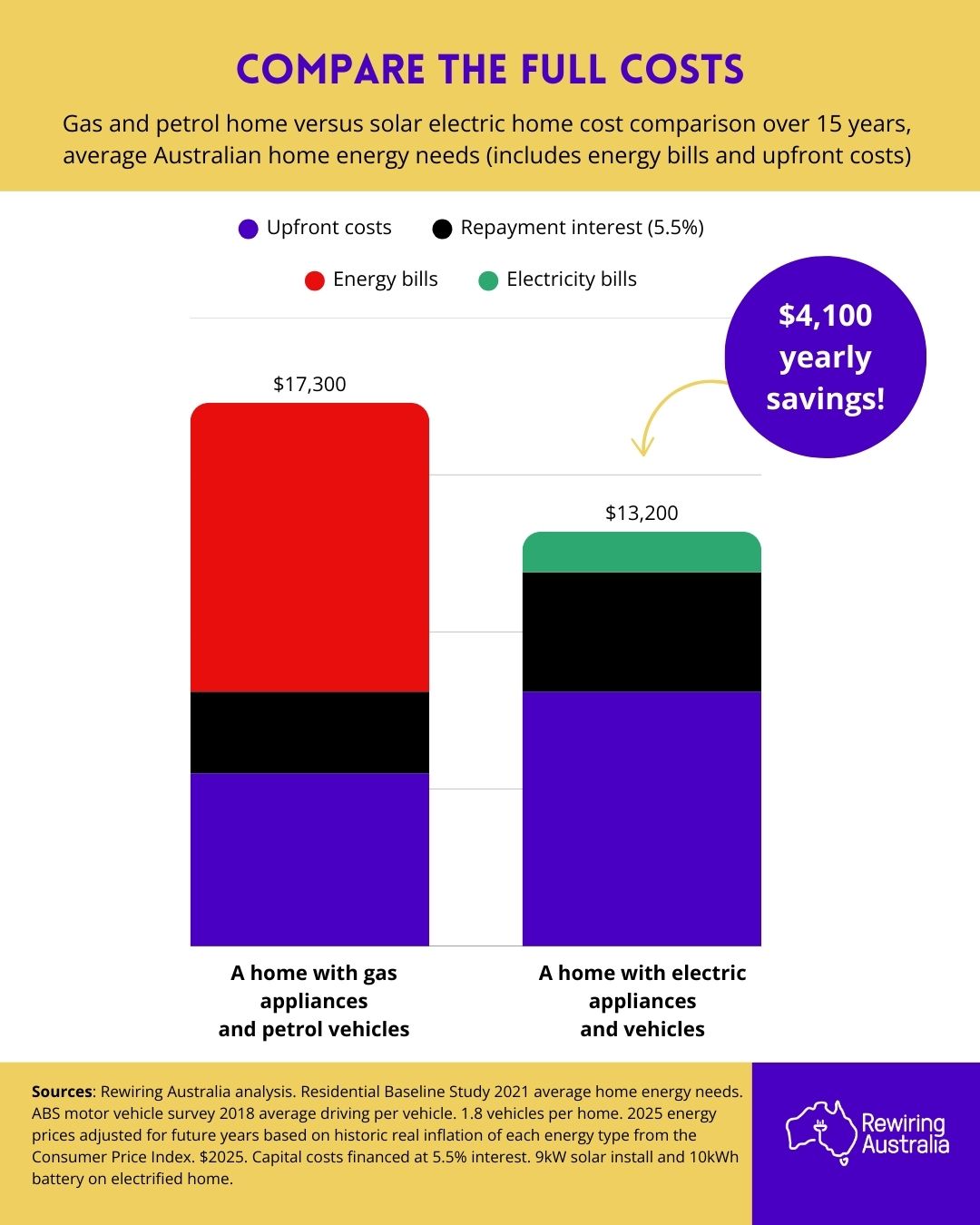
The new modelling shows that households who switch to an electric car, solar and electric appliances could save more than $4,000 a year, even when including upfront costs.
"It’s good to see Labor and the Coalition acknowledge people are hurting when it comes to energy bills, but our research shows that investing in electrifying our cars and vehicles will bring greater cost-of-living relief. We want to see investment in long-term solutions, not a battle of the bandaids," says CEO Francis Vierboom.
The Electrification Tipping Point report has found households using gas appliances and petrol vehicles could save $61,500 over 15 years, or more than $4,000 a year on average, if they upgrade their appliances and vehicles to efficient, electric ones and get their power from a combination of rooftop solar, a home battery, and the existing electricity grid.
This calculation includes the cost of buying and installing the cars and appliances, financed with repayment interest at 5.5 per cent over a 15-year appliance lifetime.
The report shows taking even small steps towards electrifying Australian homes, such as switching from a gas heater to reverse cycle air conditioning could save households hundreds of dollars in just 12 months.
According to our Co-Founder and Chief Scientist Dr Saul Griffith, “This tipping point shows Australians can save money on energy bills and cut emissions as soon as they electrify. This is a far better deal than what an energy bill rebate or fuel excise can offer.”
Read the full report here.
Electrifying our homes and cars is the recipe to cut emissions and save money for Australian homes. Let's build an abundant electric future for Australia.
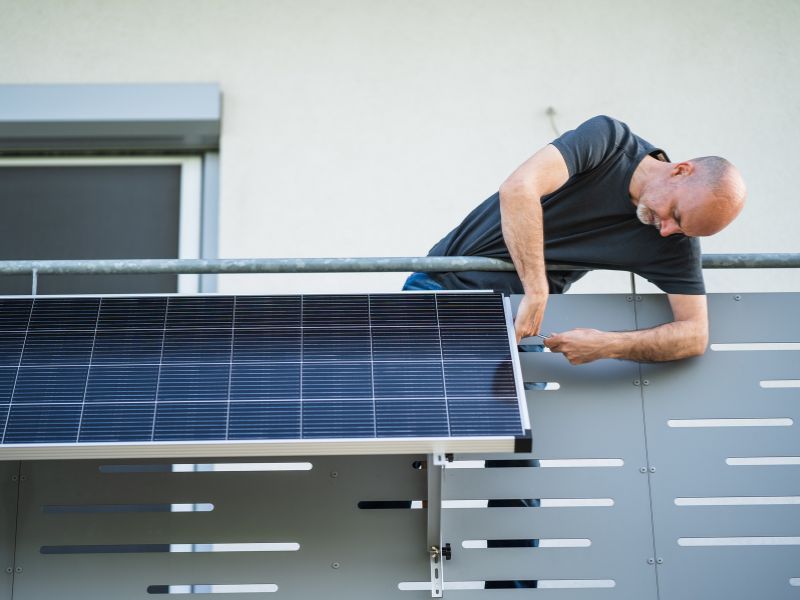
Western Australia is the first state to commit to legalising plug-in balcony solar and batteries. It’s a big win for millions of Australians who’ve been shut out of cheap, clean power.
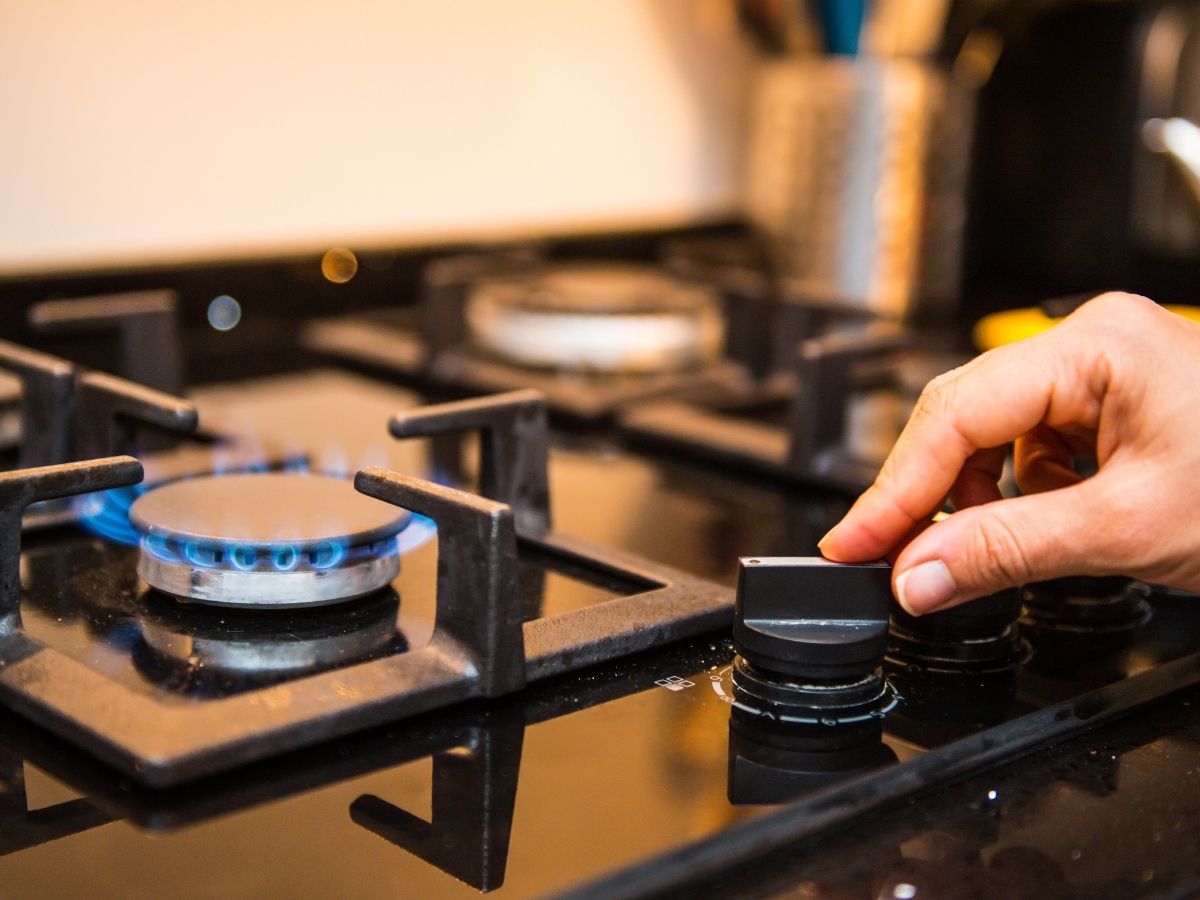
“Electric technologies are scientifically proven to be cheaper and more efficient. A heat pump water heater or reverse cycle A/C uses around a quarter of the energy to heat the same water or air. Gas goons will never tell you this and say it’s about consumer choice. It’s imperative that nobody is fooled by their lies.”

Join this webinar organised by the Nature Conservation Council to hear from experts on how improving energy efficiency helps fight climate change and why a Healthy Homes Plan will support rental homes (which are 1/3 of homes in NSW) to be more affordable and liveable.