.png)
We are urging the federal government to extend and expand the Fringe Benefit Tax (FBT) exemption for electric vehicles, with new research showing the incentive could halve vehicle emissions over 10 years, compared with ending the discount in 2027.
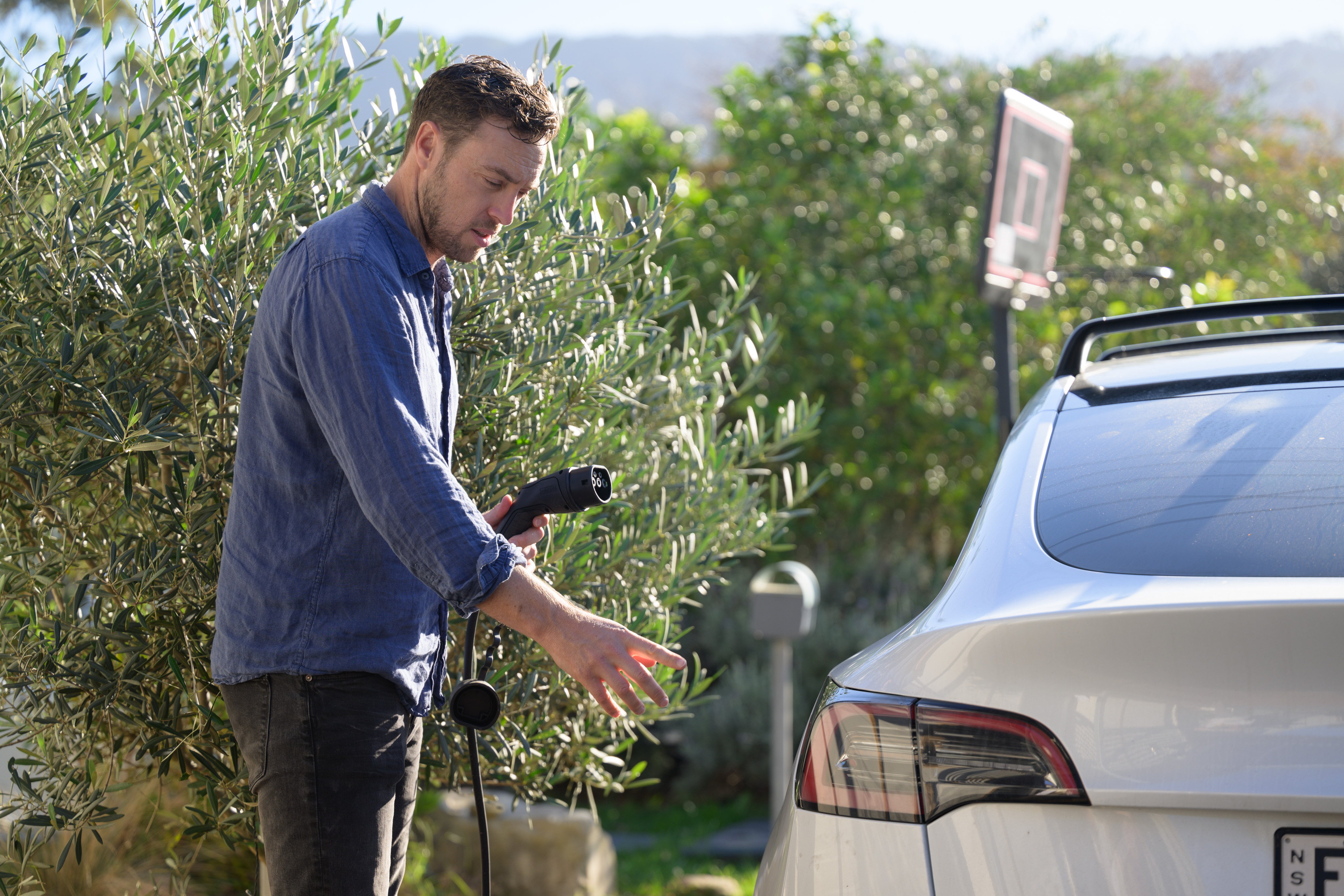
The new modelling from Magenta Advisory and Pragmatic Policy Group found continuing the FBT exemption for battery electric cars, and expanding the incentive could contribute to a 50 per cent reduction in vehicle emissions by 2035.
“If people want to take control over their carbon footprint, one of the most effective actions they can take is switching to an electric vehicle. It’s good for cutting emissions, but they also cost less to run over time, especially if you can charge the vehicle using solar at home,” Rewiring Australia CEO Francis Vierboom said.
“This modelling shows the Electric Vehicle Discount works. By continuing it for electric vehicles and expanding it, it’s estimated there will be an additional 1.5 million new fully electric vehicles sold and 870,000 second-hand EVs. That’s breaking down cost barriers for a lot of people.
“Right now, of the thousands of cars sold every day in Australia, 90% are still new petrol vehicles. Those cars will stay on the road for about 20 years, so we are locking in another two decades of emissions. There are cleaner options that will eliminate our petrol bills, and we should be making it easier for people to take advantage of them,” Francis Vierboom said.
The new research also found for every $1 spent on the Electric Vehicle Discount, there was a $2.25 return on investment in environment, economic and health benefits, with this return projected to rise to $3 by 2030.
“This research builds on what we already know. Electric vehicles are cheaper for families to run, and they reduce emissions. A typical petrol car costs $2,600 a year in fuel. Charge an EV at home with solar and that drops to about $170,” Francis Vierboom said.
“Less emissions isn’t just about climate change, it’s also about human health, and the health of our children. It’s time to start asking ourselves whether we would prefer noisy petrol vehicles driving down our streets, and idling outside our schools or cars that are quiet and don’t pollute the air,” Francis Vierboom said.
To arrange interviews, contact Kathleen Ferguson on 0421 522 080.
Electrifying our homes and cars is the recipe to cut emissions and save money for Australian homes. Let's build an abundant electric future for Australia.

Join this webinar organised by the Nature Conservation Council to hear from experts on how improving energy efficiency helps fight climate change and why a Healthy Homes Plan will support rental homes (which are 1/3 of homes in NSW) to be more affordable and liveable.
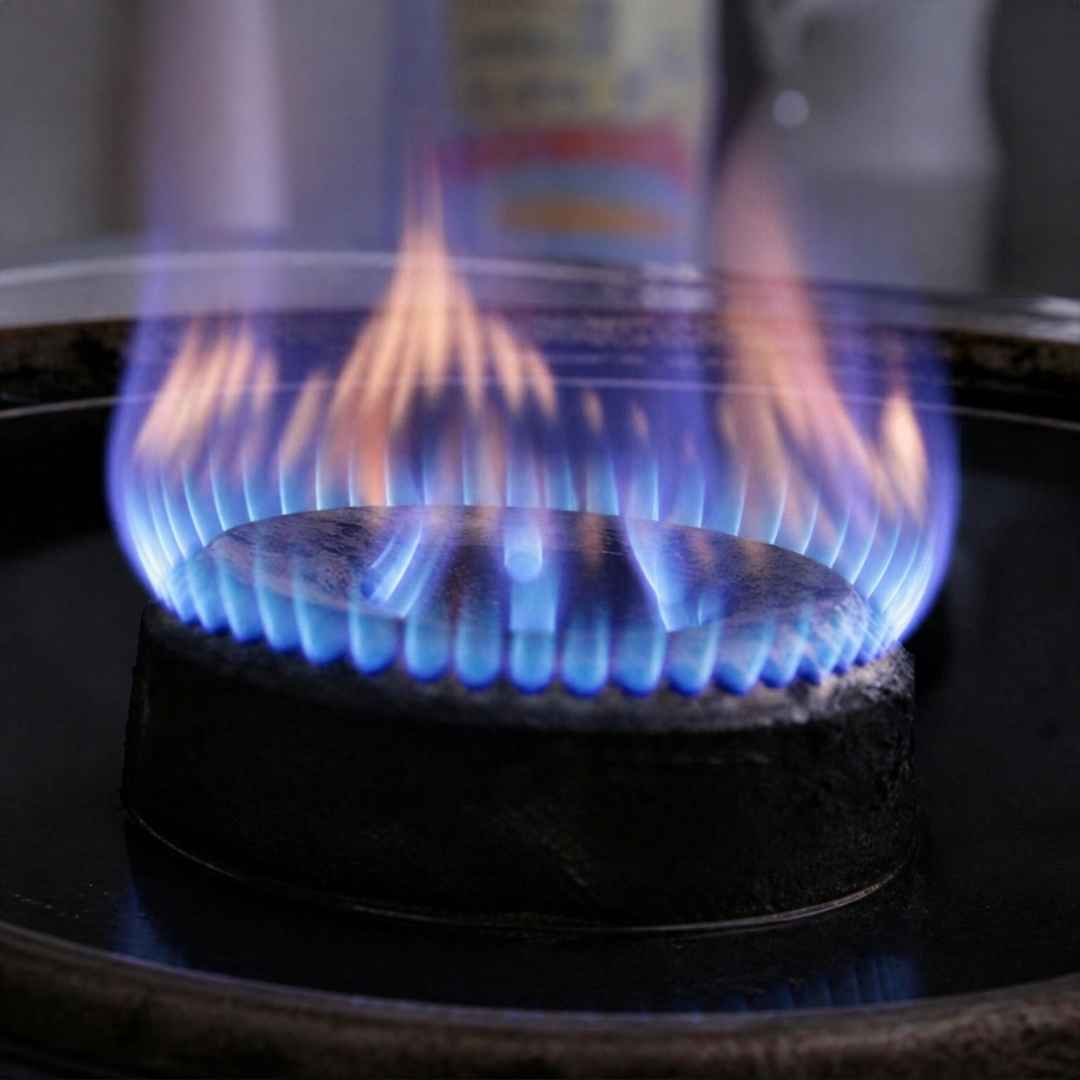
South Australian gas customers risk being left with millions of dollars in new connection costs after the Malinauskas Government quietly delayed a national rule taking effect today that would have made new gas connections pay their own way.

A new partnership between Rewiring Australia, community group Electrify Canberra, energy services company Electric Future and technical delivery partner enX Consulting will deliver the $40 million Go Electric pilot program, helping up to 1,000 households in Banks and surrounding suburbs switch to an all-electric home.