
Tim is saving $4,500 a year in his all-electric home. Here’s how he did it
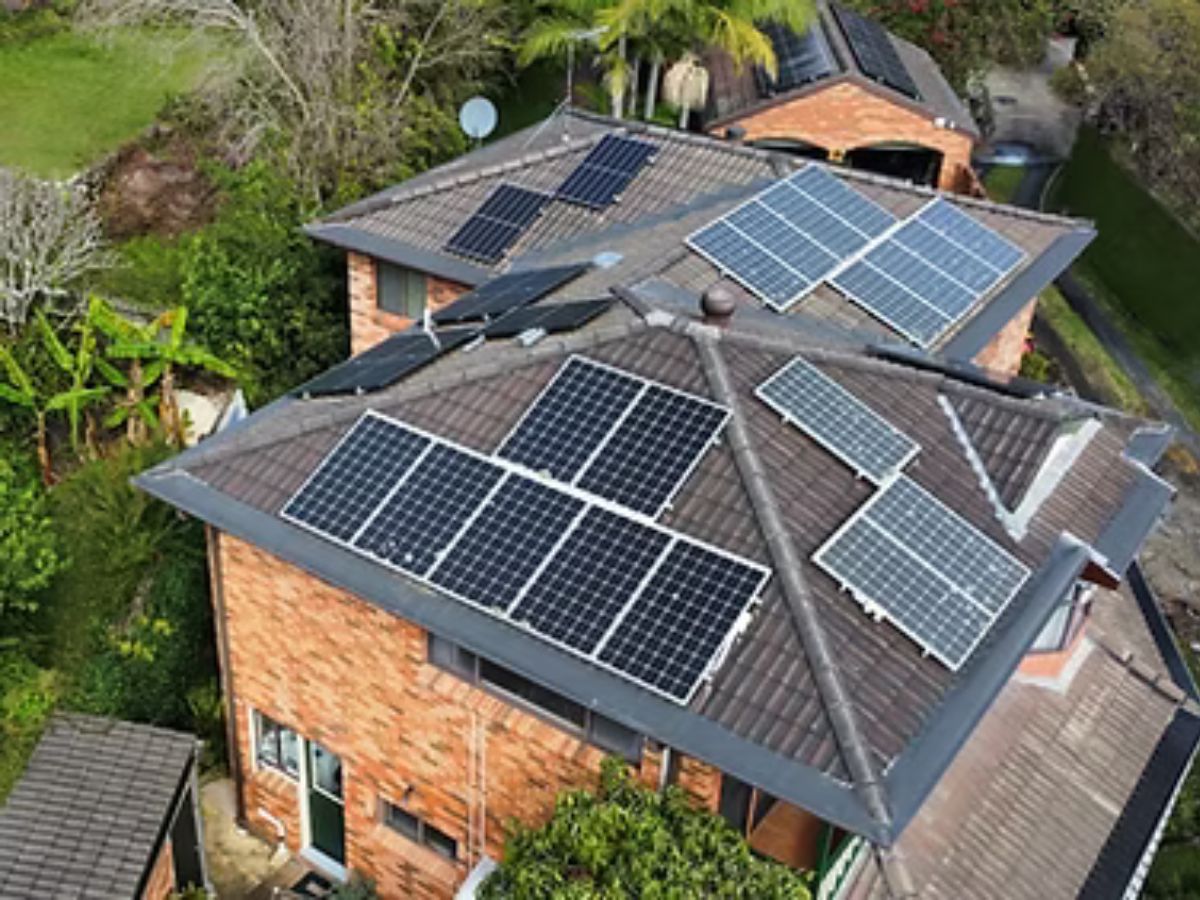
When Tim first installed solar panels on his Cromer home in 2013, it was all about getting off fossil fuels and helping save the planet. Thirteen years later, he's now transformed the way his household uses energy saving him an estimated $4,500 a year.
Tim's home is almost completely electric. He has:
- rooftop solar,
- three Tesla Powerwall batteries,
- an electric car,
- induction cooking,
- heat pump hot water,
- reverse-cycle air conditioning,
- electric lawn and garden equipment,
- he has also disconnected from the gas network.
His advice to other homeowners? You don't have to do everything at once. "You'd be mad to pay for energy when you have it for free on your roof," he says.
How to electrify your home one appliance at a time
Tim's electrification journey has happened in stages, as technology improved and his household's energy needs changed.
He started with 18 solar panels in 2013. After buying a plug-in hybrid electric vehicle in 2015, he realised he was using more electricity than his original system could generate. So, in 2019, he expanded his solar capacity, installing additional panels across his house and garage roofs.
In 2020, he added two Tesla Powerwall batteries, a Sanden heat pump hot water system and an induction cooktop for the family's granny flat.
The biggest transformation came in 2022, when Tim replaced his gas cooktop with an induction cooktop, swapped gas heating for reverse-cycle air conditioning and replaced his gas hot water system with another heat pump. He then disconnected his gas meter altogether.
In 2023, he added a third Powerwall battery and a heat pump for his swimming pool.
He has since moved on from his plug-in hybrid to a fully electric vehicle, leaving just a portable barbecue and a second petrol car on his list of things to replace.
How solar and batteries are helping Tim save thousands
Tim now generates more electricity than his household consumes, even on most winter days.
With three home batteries, he can store excess solar power for use when the sun isn't shining, reducing his reliance on the grid. He also uses Amber's wholesale electricity platform to sell stored electricity when market prices peak.
The financial benefits have been substantial. Tim estimates he saves around $4,500 a year through electrification, and says his latest electricity account is expected to be around $229 in credit.
More recently, he made $145 in a single week by selling stored electricity back to the grid.
The batteries have also provided protection against power outages. Since installing them, Tim says his household has enjoyed uninterrupted power.
The benefits of going electric go beyond the energy bill
For Tim, saving money is a major bonus, but it isn't the only reason he has made the switch.
He wants to reduce his household's reliance on fossil fuels and do his part to support Australia's transition to renewable energy.
He also believes the economics of electrification are becoming increasingly difficult to ignore.
"Climate sceptics might still be denying what's happening, but they can't deny how much we're saving each year," he says.
His message to anyone who thinks a fully electric home is out of reach is start where you can, replace appliances as they reach the end of their life and build from there.
"You can electrify your home in stages. We did it over 13 years and just replaced appliances one at a time."