New modelling shows Australians could save almost $90,000 over their retirement by ditching fossil fuels and switching to electric homes with solar and batteries.
The simple switch that could save retirees $86,000
New modelling shows Australians could save almost $90,000 over their retirement by ditching fossil fuels and switching to electric homes with solar and batteries.
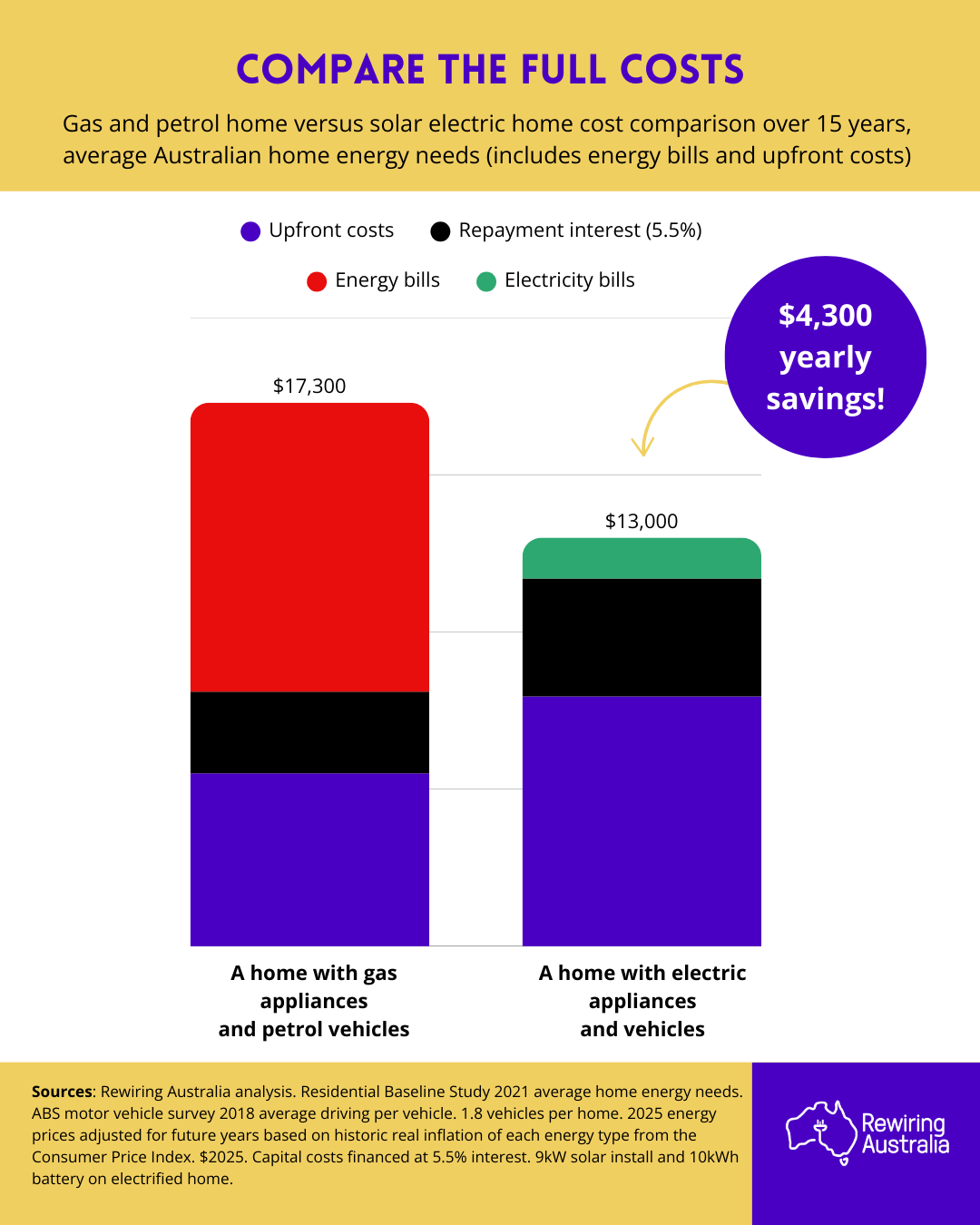
The analysis from Rewiring Australia found households that replace gas appliances and petrol cars with efficient electric alternatives spend around $4,300 less each year than comparable gas households after costs are averaged over time.
Rewiring Australia CEO Francis Vierboom said with the average Australian retiring at 65 and now living well into their 80s, upgrading to electric appliances is one of the most obvious decisions a household on a fixed income can make.
“For a single retiree, a comfortable retirement costs roughly $50,000 a year and our modelling shows you can make a big dent in that amount by simply changing how your home is powered.
“When you average energy bills, transport costs and appliance replacements over time, fully electric homes are significantly cheaper to live in even after accounting for the cost of upgrading.
“Electrifying your home is not a luxury upgrade - it’s basic common sense if you’re planning to live another 20 years on a retirement income,” Mr Vierboom said.
Mr Vierboom said rising living costs are pushing retirees to reassess household expenses, and Rewiring Australia’s network of more than 100 community groups has seen an uptick in enquiries about electrification.
“More and more retirees are reaching out after realising this is a good move for the planet as well as a practical retirement cost‑of‑living strategy.”
A practical solution to help more retirees electrify
Upfront costs to electrify remain a major barrier for many retirees and Rewiring Australia is calling for a government‑backed HECS-style loan to be established which allows households to make the switch without finding tens of thousands upfront. Rewiring Australia’s proposed Electrify Everything Loan Scheme (EELS) fixes the problem of people missing out on savings because they can’t afford the initial cost and could be specifically targeted to pensioners and concession card holders who are currently among the least able to afford upgrades.
The inflation-indexed loans could be used for households to install solar, batteries, heat pumps and other electric improvements, with repayments only required once an upgraded home is next sold.
“This would provide peace of mind for thousands of Australians who struggle with energy bills and deliver long‑term savings and emissions reductions and most importantly - a more comfortable retirement,” Mr Vierboom added.
Where the savings come from
Rewiring Australia’s modelling shows savings are delivered across the whole household:
Average annual costs (15‑year average) including finance for upfront costs:
The above data is based on comparisons between a gas household (gas heating, hot water, cooking and petrol vehicles) and a fully electrified household (efficient electric appliances, rooftop solar and a home battery).
All figures include upfront costs (including buying appliances and one vehicle), replacement costs for appliances and another vehicle, energy bills, fuel costs and financing.
About Rewiring Australia
Rewiring Australia is an independent, non-profit and non-partisan organisation working to accelerate the electrification of everything, for everyone. The organisation represents households, communities and businesses in the energy system, using robust data and analysis to demonstrate how electrification cuts costs, reduces emissions and improves health. Rewiring Australia delivers practical climate progress through research, education, advocacy and on-the-ground work with communities to enable rapid electrification. Its work has reached millions of Australians and supports a fairer, healthier, zero-emissions future powered by renewable energy.
Electrifying our homes and cars is the recipe to cut emissions and save money for Australian homes. Let's build an abundant electric future for Australia.

“Instead of cutting the battery subsidy, the government should look at incentivising virtual power plant enrollment as a rebate condition. This would allow homes to discharge into the grid during peak evening demand and drive down power bills across the entire network.

The Liberals, Nationals and One Nation have promised to scrap new legislation that will require all new homes to be built all-electric from Jan 2027 and will also roll back plans that would see households required to replace failing gas hot water systems with efficient electric ones - due to come into effect next March.These proposed measures would only serve to protect the gas industry, and will keep households locked into costly gas infrastructure for decades to come.
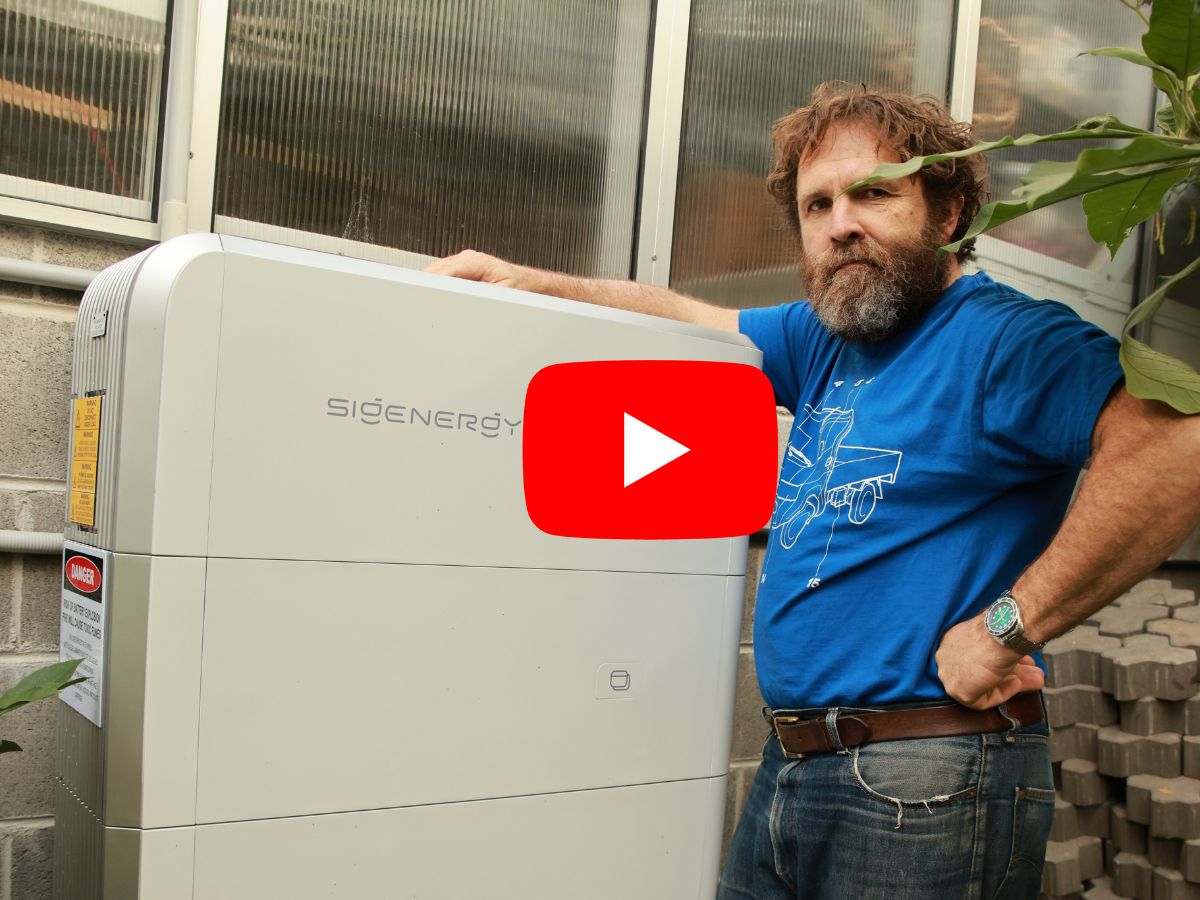
Households can save $4300 a year on their energy bills by ditching gas and petrol and going fully electric reveals Dr Saul Griffith.