.png)
Rewiring Australia is urging the Federal Government to extend home battery rebates to bidirectional EV chargers, ensuring renters can access this vital energy storage solution and secure fairer energy bills.

With fuel excise relief ending and three hours of free daytime power on offer from next month, new analysis shows renters could save thousands each year by using electric vehicles as home batteries if rebate rules were expanded to include the chargers needed to use the technology.
From July, vehicle-to-grid and vehicle-to-home technology will allow some motorists to charge their electric cars during periods of cheap or free daytime power, then use that stored electricity to help run their home during the expensive evening peak.
New analysis from Rewiring Australia shows a renter with a standard plug-in hybrid could save about $2,000 a year, while households with larger EVs could cut bills by up to $4,000.
If available to half of Australia’s renters, Rewiring estimates the technology could cut collective energy bills by up to $6.5 billion a year.
But while governments are subsidising hardwired home batteries, there are no equivalent rebates for bidirectional EV chargers which allow power to flow from a car back into a home or the grid.
Rewiring Australia CEO Francis Vierboom said the Federal Government’s recent expansion of a vehicle-to-grid pilot was welcome but the technology now needed a pathway to mass adoption.
“When Amber Electric launched a V2G pilot for just 50 homes, nearly 6,000 Australian households put their hands up,” Mr Vierboom said.
“That level of interest shows families are ready to use their cars to cut power bills.
“The government should open up home battery rebates to bidirectional EV chargers so more households can use the biggest battery many of them will ever own.
“Renters often can’t install solar panels or permanent home batteries on a property they don’t own. A bidirectional EV charger gives them another way to store cheap daytime power and use it when electricity is expensive.
“The battery does not have to be bolted to the wall to help a household cut its bill. For many families, it is already sitting in the driveway.”
Rewiring says expanding rebates to bidirectional chargers would also help the electricity grid by increasing the amount of flexible storage available during peak demand.
It comes amidst warnings network costs are a major risk for household bills, with transmission and distribution charges making up a large share of electricity costs.
Rewiring calculates that if half of Australia’s renters had access to bidirectional charging, they could provide up to 2.5GW of active storage; around 28 per cent of the vehicle-to-grid capacity AEMO has forecast will be required.
Mr Vierboom said using car batteries to store cheap daytime power and release it during evening peaks could reduce pressure on the grid and help avoid unnecessary infrastructure costs.
“Network costs are one of the big hidden drivers of power bills,” Mr Vierboom said.
“The more households can store cheap solar power and use it during the evening peak, the less pressure there is on the system.
“Opening battery rebates to bidirectional EV chargers gives renters a fairer shot at lower bills, helps households make the most of free daytime power and turns electric vehicles into assets for the whole grid.”
MEDIA: Eliot | 0423 921 200
Electrifying our homes and cars is the recipe to cut emissions and save money for Australian homes. Let's build an abundant electric future for Australia.

“Electric technologies are scientifically proven to be cheaper and more efficient. A heat pump water heater or reverse cycle A/C uses around a quarter of the energy to heat the same water or air. Gas goons will never tell you this and say it’s about consumer choice. It’s imperative that nobody is fooled by their lies.”

Join this webinar organised by the Nature Conservation Council to hear from experts on how improving energy efficiency helps fight climate change and why a Healthy Homes Plan will support rental homes (which are 1/3 of homes in NSW) to be more affordable and liveable.
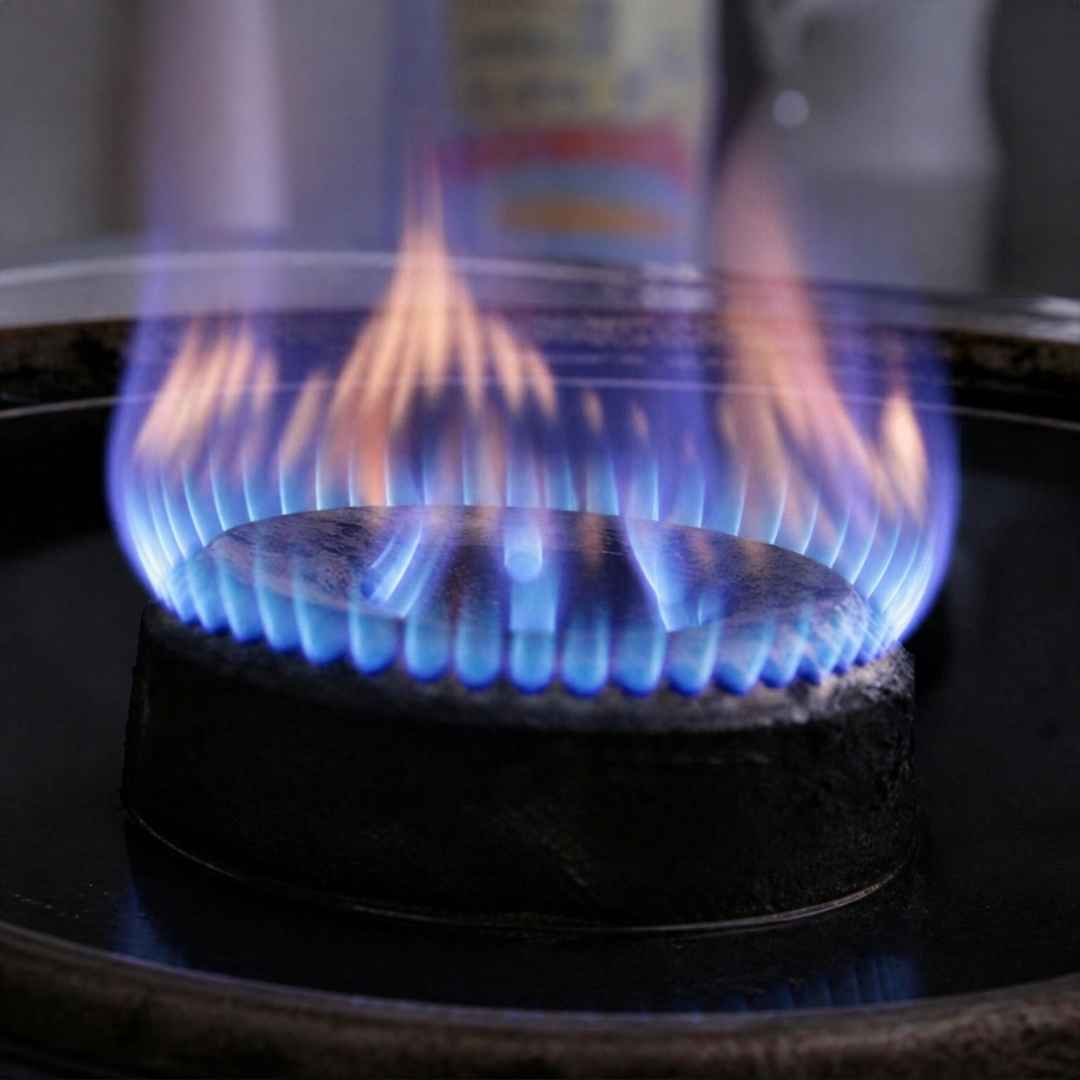
South Australian gas customers risk being left with millions of dollars in new connection costs after the Malinauskas Government quietly delayed a national rule taking effect today that would have made new gas connections pay their own way.